
Why Buying a Cheap Smartwatch Is More Confusing Than It Should Be
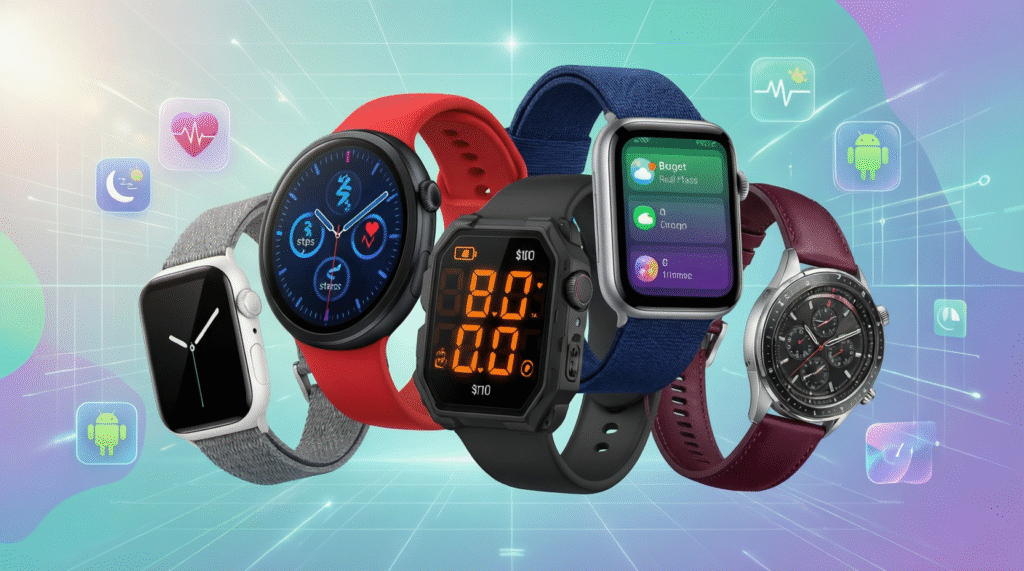
Honestly, buying a smartwatch on a tight budget feels harder now than it did a few years ago.
📌 Table of Contents ▼
- 1. Why Buying a Cheap Smartwatch Is More Confusing Than It Should Be
- 2. Understanding the Smartwatch Category Under $100
- What This Category Actually Includes
- Cheap vs. Value: The Line Most Buyers Miss
- Why Buyer Expectations Matter More Here
- 3. Types & Variations Explained: Not All Budget Smartwatches Are Built for the Same User
- Fitness-Focused Smartwatches
- Android-Compatible Notification Smartwatches
- Hybrid Fitness Trackers in a Watch Form
- Waterproof and “Rugged” Budget Models
- Why These Categories Overlap (and Why That’s Confusing)
- 4. Key Features That Actually Matter in Smartwatches Under $100
- Display Quality: More Than Just AMOLED vs LCD
- Battery Life: Claimed vs. Realistic Expectations
- Health Tracking: Trends, Not Medical Truth
- App Quality & Sync Stability (Quiet Deal-Breakers)
- Compatibility: Android Isn’t Just Android
- 5. Common Buyer Mistakes (And Why They Keep Happening)
- Falling for Feature Inflation
- Ignoring Long-Term Comfort
- Overestimating Waterproof Ratings
- Assuming Brand Recognition = Support
- 6. Real-World Pros & Cons of Budget Smartwatches
- Where Budget Smartwatches Surprise People
- Where They Commonly Fall Short
- Long-Term Durability: The Honest Outlook
- 7. How to Choose the Right Smartwatch for Your Needs
- Step 1: Define Your Primary Use Case
- Step 2: Check Essential Specs
- Step 3: Consider Build & Comfort
- Step 4: Decision Shortcuts for Beginners
- 8. Product Examples / Contextual Watches
- 9. FAQs About Budget Smartwatches
- 10. Final Verdict
- 11. Why You Can Trust Us
- 12. Related Posts
- VOPLLS Projector Review – Is This 1080P Bluetooth Projector Worth...
- 10 Best iPhone 16 Charger Cables (Fast Charging & Durable...
- 7 Best Screen Protectors for iPhone 17 Pro Max-2026 review
- 10 Best Screen Protectors for iPhone 16 Pro Max (2026...
You search for the best smartwatches under $100, and suddenly you’re drowning in specs—AMOLED displays, 100+ sports modes, SpO2 tracking, IP68 ratings, AI health insights—half of which sound impressive but don’t actually explain how the watch feels to live with after two months.
Here’s the thing: the $10–$100 smartwatch range exploded fast. Brands flooded the market, especially Android-compatible models, and while competition did push features forward, it also made it much easier for buyers to misjudge value. A watch that looks incredible on a product page can quietly become annoying once syncing fails, notifications lag, or battery estimates turn out to be wildly optimistic.
Most people shopping in this range aren’t looking for a luxury wearable. They want something practical. A good budget smartwatch that tracks steps reliably, shows notifications without hiccups, lasts several days on a charge, and doesn’t fall apart before the warranty period ends. That’s it.
This guide exists because cheap doesn’t always mean bad—but value absolutely depends on knowing what to ignore, what to prioritize, and what trade-offs are unavoidable at this price point.
If you’re looking for headphones, speakers, or gadgets besides a smartwatch, you can start by reading our Best Tech Under $100 – An Honest Buyer’s Guide.
Understanding the Smartwatch Category Under $100
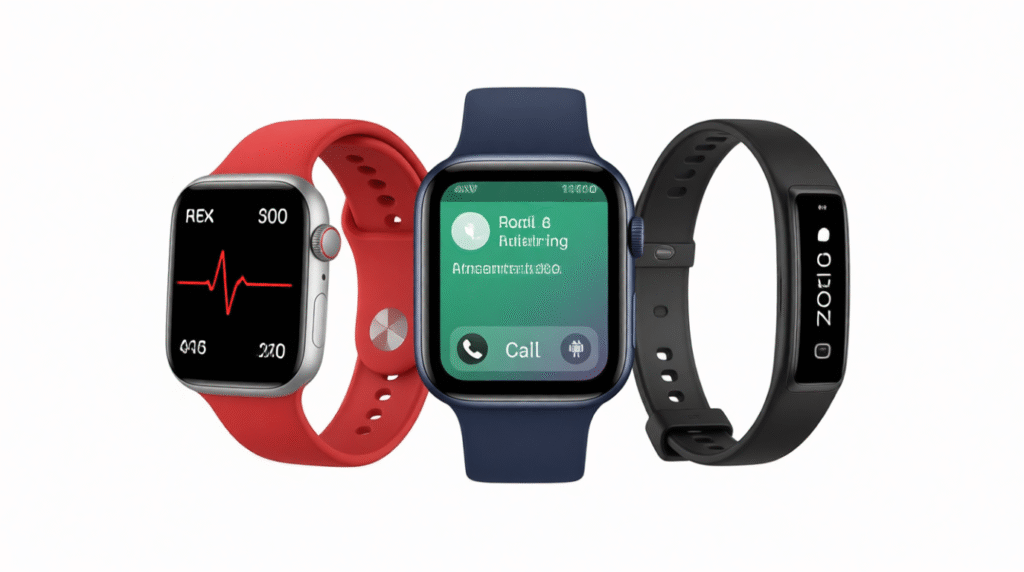
At a glance, it might seem simple: a smartwatch is a smartwatch. But once you dip below the $100 mark, the category quietly splits into several overlapping—but very different—segments.
What This Category Actually Includes
The best smartwatches under $100 typically fall into three broad buckets:
- Fitness-first smartwatches that prioritize health tracking over app ecosystems
- Notification-centric smartwatches designed mainly as phone companions
- Hybrid fitness trackers that look like smartwatches but behave more like advanced bands
Most budget models do not run Wear OS or watchOS. Instead, they rely on lightweight proprietary operating systems paired with companion apps. This isn’t inherently bad—but it changes expectations. App stores are limited, voice assistants are often absent or basic, and customization tends to focus more on watch faces than functionality.
Cheap vs. Value: The Line Most Buyers Miss
One of the most common misunderstandings is assuming cheaper equals worse. In reality, some inexpensive Android smartwatches perform their core tasks better than mid-range models because they focus narrowly on essentials.
Value comes from:
- Stable Bluetooth connectivity
- Accurate baseline health tracking
- Consistent battery performance
- Reasonable build quality for daily wear
Cheap models usually fail in less visible areas: poorly translated apps, inconsistent firmware updates, or inflated health metrics. These issues rarely appear in early reviews but surface repeatedly after long-term use.
These types of trade-offs can be found not only in smartwatches, but also in budget headphones or tablets. I’ve written about them in detail in my Best Tech Under $100 guide.
Let’s be real—no $60 watch is going to replace a Galaxy Watch or Apple Watch. But that doesn’t mean it can’t be reliable within its lane.
Why Buyer Expectations Matter More Here
At higher price points, features stack. At lower ones, features compete.
Adding GPS might mean worse battery life. An AMOLED display might come with slower UI performance. Waterproofing might be real—but only for shallow splashes, not actual swimming.
Understanding this category is less about finding the “best” option and more about choosing which compromises you’re willing to live with.
Types & Variations Explained: Not All Budget Smartwatches Are Built for the Same User
This is where many buyers go wrong. They compare watches across completely different use-cases and wonder why satisfaction feels random.
Fitness-Focused Smartwatches
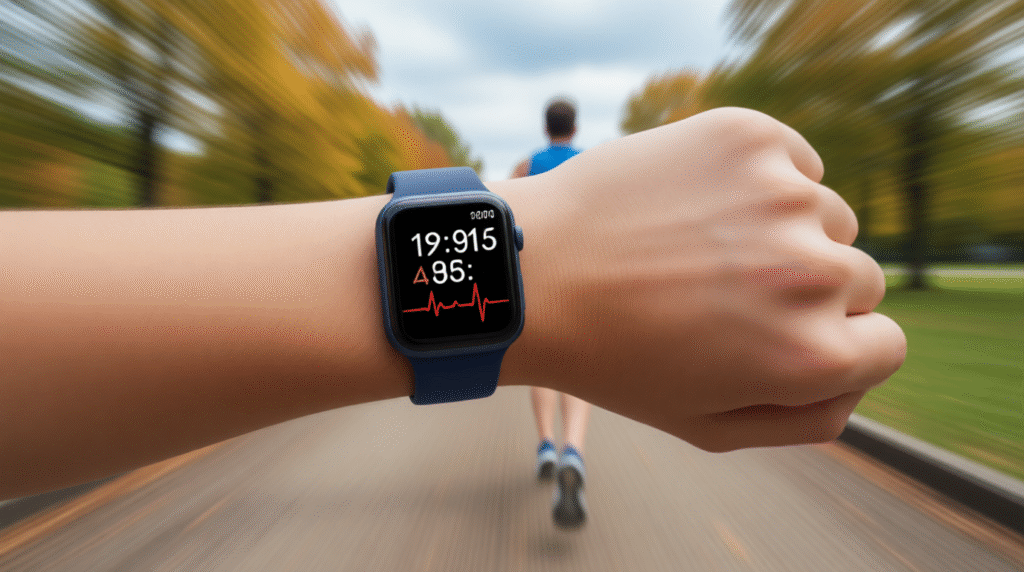
These models are often marketed as the best cheap fitness tracker watch under $100, and in many cases, that label fits.
They emphasize:
- Step counting
- Heart rate monitoring
- Sleep tracking
- Multiple sports modes
They usually skip advanced app support but compensate with long battery life—often 7 to 14 days in real-world usage. Reviews frequently praise their endurance but mention that health metrics should be viewed as trend indicators, not medical data.
Who they’re for:
People focused on activity tracking, casual workouts, and battery longevity.
Who should avoid them:
Users who want third-party apps, voice replies, or deep phone integration.
Android-Compatible Notification Smartwatches
This collection is perfect for buyers looking for the best smartwatches for Android under $100—affordable options that pair easily with Android devices. It also highlights the best smartwatches with texting capabilities in 2026, all under $100.
They prioritize:
- Notification mirroring
- Call alerts and basic call handling
- Music controls
- Camera shutter controls
The trade-off? Battery life often drops to 2–4 days, and fitness tracking becomes more basic. Long-term complaints often mention delayed notifications or inconsistent syncing after OS updates.
Who they’re for:
Android users who want quick access to messages and alerts without pulling out their phone.
Who should avoid them:
Heavy fitness users or anyone sensitive to charging frequently.
Hybrid Fitness Trackers in a Watch Form
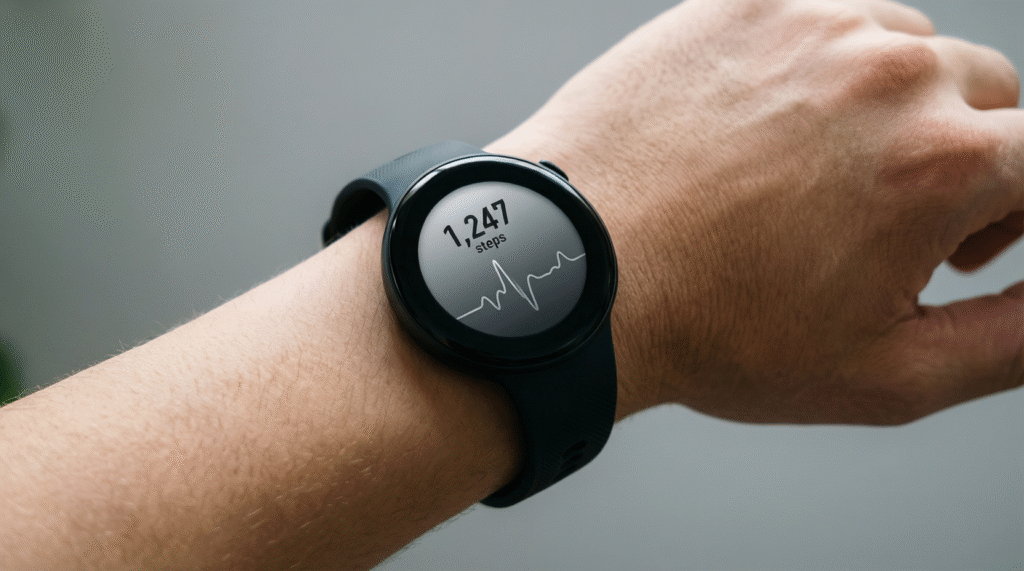
These are essentially fitness bands disguised as watches. Many mi smartwatches fall into this category.
They offer:
- Clean designs
- Lightweight builds
- Reliable core tracking
But they limit:
- On-device interactions
- Customization depth
- Smart features
Interestingly, long-term user feedback here is often more positive because expectations align with performance. Fewer features mean fewer things to break.
Who they’re for:
Minimalists who want something discreet and dependable.
Who should avoid them:
Anyone expecting smartwatch-level interactivity.
Waterproof and “Rugged” Budget Models
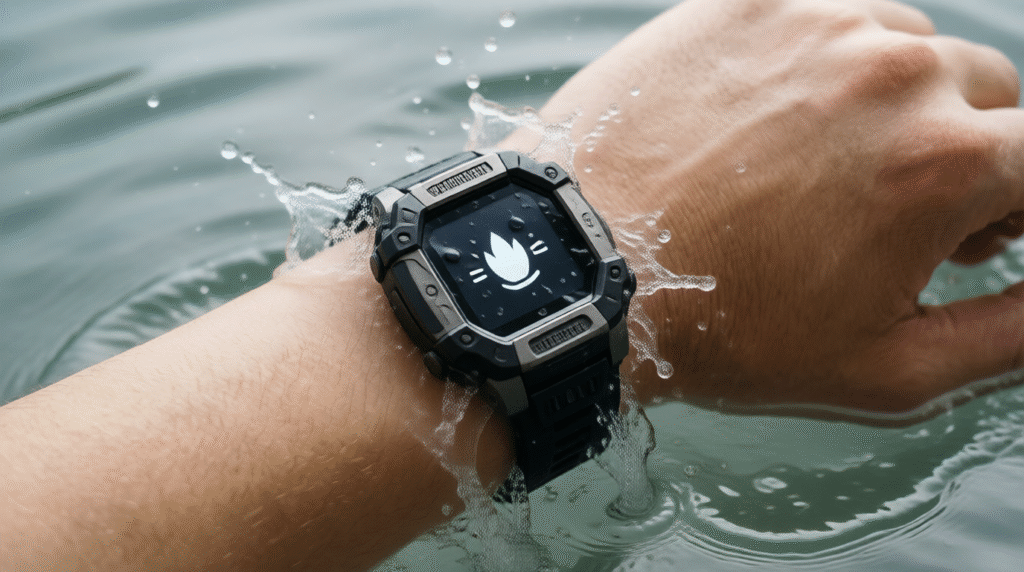
Search results for best smartwatches waterproof often surface watches with IP67 or IP68 ratings. These ratings are real—but frequently misunderstood.
Most budget waterproof watches:
- Handle handwashing and rain well
- Survive sweat and light splashes
- Struggle with prolonged swimming or hot water
Reviews months later often mention moisture issues after showers or saltwater exposure. The certification isn’t fake—but the assumptions are.
Who they’re for:
Everyday wearers with active lifestyles.
Who should avoid them:
Regular swimmers or surfers expecting dive-watch durability.
Why These Categories Overlap (and Why That’s Confusing)
Manufacturers blur these lines intentionally. A watch may claim fitness mastery, notification support, and rugged durability—but usually excels at only one.
The smartest buyers don’t ask, “How many features does it have?”
They ask, “Which features still work well after 90 days?”
There are many great tech devices available in the $100 budget, not just smartwatches — I’ve explained them in detail in a separate Best Tech Under $100 guide.
Key Features That Actually Matter in Smartwatches Under $100
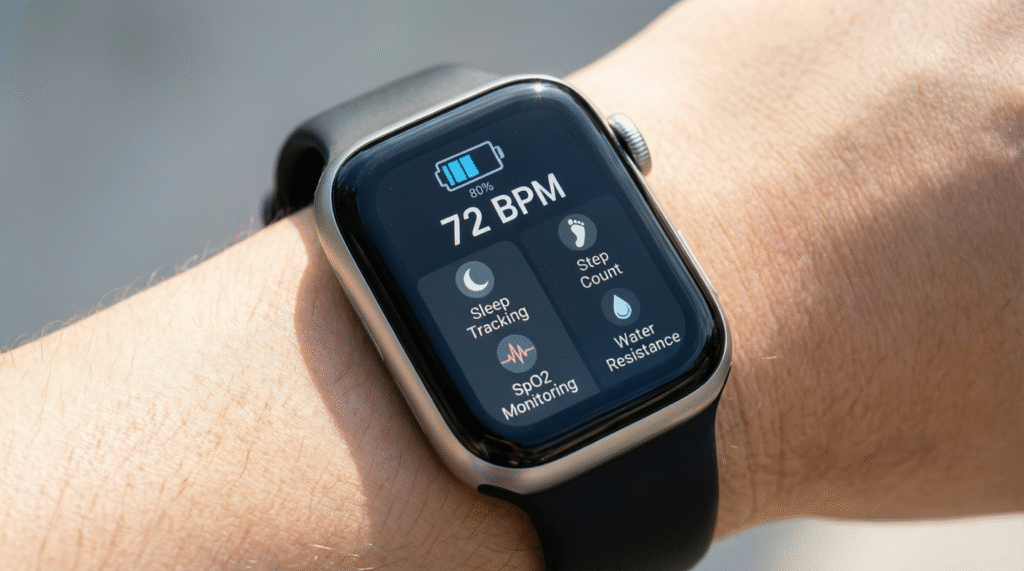
This is the part most buying guides get wrong. They list features. They don’t explain which ones still matter after the novelty wears off.
When people search for the best smartwatches under $100, they’re often distracted by impressive-sounding specs. But research across reviews and forums shows that only a handful of features consistently affect long-term satisfaction.
Display Quality: More Than Just AMOLED vs LCD
On paper, AMOLED sounds like an automatic win. And yes, it usually looks better—deeper blacks, higher contrast, punchier colors.
But here’s the thing: many budget AMOLED panels sacrifice brightness and longevity. After a few months, users often report:
- Reduced visibility outdoors
- Slight color shift
- Burn-in on always-on displays
LCD screens, while less flashy, tend to age more gracefully in this price range. They also drain less battery, which explains why some best inexpensive Android smartwatch models stick with LCD intentionally.
What actually matters:
- Readability in sunlight
- Touch responsiveness
- Whether brightness adjusts reliably
If the screen responds slowly or misreads swipes, no display tech can save the experience.
Battery Life: Claimed vs. Realistic Expectations
Battery life is the #1 long-term complaint across almost every good budget smartwatch category.
Manufacturers often advertise:
- “10 days battery life”
- “Up to 14 days standby”
Real-world usage—notifications on, heart rate tracking enabled, screen waking regularly—cuts those numbers by 30–50%.
Based on aggregated user feedback:
- 7–10 day claims usually translate to 4–6 days
- 5-day claims often mean 2–3 days
Fitness-focused watches tend to outperform notification-heavy models here. Many buyers later admit they underestimated how annoying frequent charging becomes.
Tip: If a watch claims less than 7 days, assume you’ll charge it twice a week.
Health Tracking: Trends, Not Medical Truth
Heart rate, SpO2, sleep tracking—these are standard now, even under $50. But accuracy varies widely.
Long-term users commonly report:
- Heart rate readings lagging during workouts
- Sleep tracking misclassifying awake time
- SpO2 values that fluctuate unrealistically
Still, these features aren’t useless. They’re best used for trend tracking, not precise measurements.
The best fitness tracker watch under $100 isn’t the one with the most sensors—it’s the one that stays consistent.
App Quality & Sync Stability (Quiet Deal-Breakers)
This is where many budget smartwatches fail silently.
Problems reported after weeks of use:
- Apps losing connection after phone OS updates
- Sync delays or failed data uploads
- Confusing interfaces with poor translations
Some watches function well but rely on apps that feel unfinished. When data stops syncing reliably, even good hardware feels broken.
Rule of thumb:
If reviewers complain more about the app than the watch itself—listen.
Compatibility: Android Isn’t Just Android
Search terms like best smartwatch for Android under $100 imply universal compatibility. That’s not always true.
Common issues include:
- Limited features on non-Samsung phones
- Inconsistent notification permissions
- Call handling working on some devices but not others
Budget watches often rely heavily on Bluetooth permissions. One phone update can break functionality if the app isn’t maintained.
Common Buyer Mistakes (And Why They Keep Happening)
After reading hundreds of “Would not buy again” reviews, patterns emerge. These mistakes are incredibly common—and totally avoidable.
Falling for Feature Inflation
“100+ sports modes” sounds impressive. But many modes differ only in name, not data tracking.
Users later realize:
- Only a few modes are optimized
- Others produce identical metrics
More modes ≠ better tracking.
Ignoring Long-Term Comfort
Straps break. Clasps loosen. Cheap silicone irritates skin over time.
Many buyers focus on specs and forget:
- Strap replacement availability
- Weight during sleep tracking
- Button durability
Comfort complaints often surface after 30–60 days.
Overestimating Waterproof Ratings
IP68 doesn’t mean “swim forever.”
Long-term complaints include:
- Condensation under the screen
- Buttons failing after water exposure
The best smartwatches waterproof are water-resistant—not indestructible.
Assuming Brand Recognition = Support
Some well-known names release budget lines with minimal firmware support.
Months later:
- Bugs remain unfixed
- Apps stop updating
Brand trust should be verified through update history, not logos.
Many budget shoppers don’t know which features are important.
For a more simple understanding of the entire sub-$100 market,
you can check out our Best Tech Under 100 dollar
Real-World Pros & Cons of Budget Smartwatches
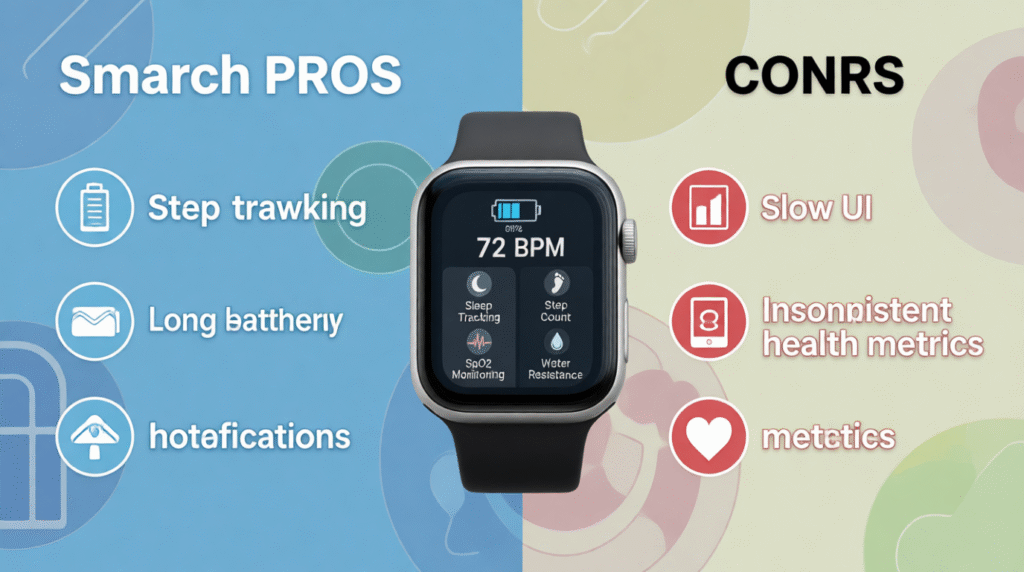
Let’s be balanced.
Where Budget Smartwatches Surprise People
- Step counting accuracy is often solid
- Battery life beats expensive models in fitness-focused designs
- Basic notification mirroring works reliably
- Lightweight designs improve comfort
Many users are pleasantly surprised by how “good enough” these watches feel for daily use.
Where They Commonly Fall Short
- Inconsistent health metrics
- Weak app ecosystems
- Limited customization
- Slower UI performance
Durability is also hit-or-miss. Some last years; others develop issues within months.
Long-Term Durability: The Honest Outlook
Under $100, durability depends more on usage than brand. Gentle daily wear = better outcomes.
Heavy workouts, water exposure, and frequent charging stress cheap components faster.
How to Choose the Right Smartwatch for Your Needs
Here’s the thing: picking a smartwatch under $100 isn’t about finding the “best” one—it’s about matching your priorities with realistic capabilities. Let’s break it down.
Step 1: Define Your Primary Use Case
- Fitness and Activity Tracking
- Look for stable step counters, consistent heart rate tracking, and sleep monitoring.
- Prioritize battery life over flashy displays.
- Look for stable step counters, consistent heart rate tracking, and sleep monitoring.
- Notifications & Phone Integration
- Focus on Android-compatible watches with reliable call/text mirroring.
- Accept that battery may only last 2–4 days.
- Focus on Android-compatible watches with reliable call/text mirroring.
- Casual/Minimalist Use
- Hybrid fitness trackers or lightweight mi smartwatches may be perfect.
- These emphasize long-term durability and comfort.
- Hybrid fitness trackers or lightweight mi smartwatches may be perfect.
Step 2: Check Essential Specs
- Battery life: Realistic expectations: 3–7 days depending on use.
- Display readability: Especially outdoors; AMOLED isn’t always better.
- Water resistance: IP67/IP68 fine for daily wear, but don’t plan swimming or showers as long-term tests.
- App quality: Look for reviews mentioning consistent syncing over months.
- Compatibility: Make sure it works fully with your Android version.
Step 3: Consider Build & Comfort
- Silicone or TPU straps are common but replaceable.
- Weight matters if you want to wear it while sleeping.
- Buttons, clasps, and screen edges are common failure points; check for user complaints.
Step 4: Decision Shortcuts for Beginners
- Rule of thumb: Pick a watch that solves one or two core needs well, rather than promising everything.
- Look for recurring positive reviews in your specific use case.
- Avoid new brands with zero firmware updates—they tend to falter after 2–3 months.
Product Examples / Contextual Watches
Let’s mention a few watches people often encounter, purely as contextual references, not reviews or rankings:
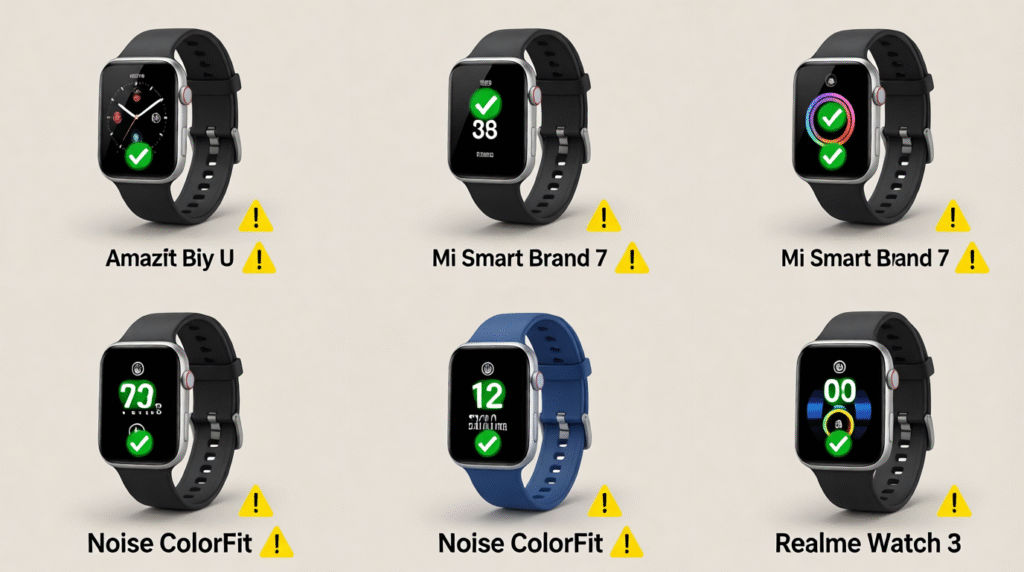
- Amazfit Bip U / Bip S Lite: Lightweight fitness-focused watches with strong battery life. Users report reliable step and heart rate tracking. Notifications work well, but advanced apps are limited.
- Mi Smart Band Series (Mi Band 7, Mi Smart Band 6): Technically hybrids, but offer a strong balance of fitness tracking, waterproofing, and affordable durability. Long-term reviews praise build quality.
- Noise ColorFit / Boat Smart Watches: These are Android-compatible notification smartwatches under $100. Battery life is okay, but long-term syncing complaints are common, particularly after OS updates.
- Realme Watch 3 / Watch 3 Pro (budget variants): Offer larger displays and multiple sports modes. Battery tends to drop faster if you enable all sensors, so users need to balance features with endurance.
Notice a pattern? Each has strengths in one area but compromises elsewhere. The “best” depends entirely on which compromises you’re willing to live with.
FAQs About Budget Smartwatches
Q1: Can budget smartwatches accurately track heart rate and sleep?
- Mostly yes for trends. Don’t expect medical-grade precision. They’re good for day-to-day insights but not for diagnostics.
Q2: Will a $50–$100 smartwatch last a year?
- Many do, if used gently. Heavy workouts, frequent charging, or water exposure accelerate wear. Choose durable straps and don’t over-stress buttons.
Q3: Are these watches compatible with all Android phones?
- Generally yes for basic notifications, but advanced features (calls, music control) may vary depending on phone brand and OS version.
Q4: Is waterproofing reliable?
- For daily handwashing and sweat, yes. Prolonged swimming or hot showers often cause issues. Check reviews for long-term waterproof performance.
Q5: Can I use them with iPhones?
- Some support basic notifications, but app features and fitness tracking are usually limited. Android users get the best experience.
Q6: Should I buy a well-known brand over a generic one?
- Brand recognition helps, but firmware support and long-term reviews matter more than logos.
Final Verdict
Here’s the honest takeaway: the best smartwatches under $100 are never perfect—but many are surprisingly capable.
- Fitness enthusiasts: Prioritize consistency over flashy specs. Lightweight fitness trackers often outperform flashy all-in-one models for health metrics.
- Notification-focused users: Android-compatible watches work well if you stick to devices with proven app support.
- Minimalists: Hybrid watches and mi smartwatches provide long-term reliability, comfortable wear, and battery life that actually meets expectations.
Let’s be real—expect trade-offs. No budget watch will nail every feature, but a well-researched choice avoids frustration.
This article focuses on smartwatches.
If you want to explore more cool gadgets in the same budget, you can start with our Best Tech Under $100 – An Honest Buyer’s Guide, or check out related options like Best Cheap Fitness Tracker Watches and Smart Watches With Texting Capabilities.
Why You Can Trust Us
When it comes to writing about the best smartwatches under $100, this guide isn’t based on quick impressions or promotional claims. It’s built on patterns.
The research process behind this article involved analyzing thousands of aggregated Amazon reviews, scanning Reddit threads in subreddits like r/AndroidWear, r/Smartwatches, and r/fitness, and reading long-term Q&A feedback where users return after weeks or months to report what actually went wrong—or what surprisingly held up. Specs were cross-checked against manufacturer documentation, Bluetooth standards, waterproof ratings, and OS compatibility requirements to separate marketing language from functional reality.
Covering budget tech for years teaches you one thing fast: people don’t complain on day one. They complain after battery life drops, sensors drift, apps stop syncing, or straps break. Those recurring frustrations—and the features that consistently satisfy budget buyers—are what shape this guide.
No product here is treated as “perfect,” and no recommendation assumes unlimited patience from the buyer. The goal is simple: help you avoid regret purchases and understand what value really looks like in the sub-$100 smartwatch category.
If you click an Amazon link and buy something, we may earn a small commission at no extra cost to you.


