
Honestly, trying to find the best tech under 100 dollar these days feels more confusing than ever. On one hand, you’ve got flashy marketing, “flagship-killer” slogans, and endless promises. On the other, reality hits: plastic builds, average battery life, and features that feel exciting for a week and then… well, kind of useless.
And yet, budget tech sells. Why? Not everyone is looking to spend $1,000 on a phone, $300 on headphones, or $400 on a smartwatch—honestly, most people just don’t need that, especially when many most useful electronic gadgets already cover everyday needs at a fraction of the price.
📌 Table of Contents ▼
- 1. Getting to Know the Category–best tech under 100
- 2. Types & Variations Explained: Understanding Budget Tech Under $100
- 3. Key Features That Actually Matter: What to Focus on When Buying Tech Under $100
- 1. Build Quality: Not Just About Materials
- 2. Battery & Power Management: Consistency Beats Size
- 3. Software & Compatibility: The Silent Dealbreaker
- 4. Core Performance: Basics Over Extras
- 5. After-Sales Support & Documentation: The Overlooked Hero
- The Smart Approach
- 4. Common Buyer Mistakes: Avoid These Pitfalls When Shopping Tech Under $100
- 1. Branding Over Value
- 2. Spec Chasing
- 3. Ignoring Compatibility
- 4. Falling for Fake Reviews & Paid Hype
- 5. Expecting Future-Proof Tech
- The Root of Most Regret
- 5. Real-World Pros & Cons of Budget Options: What You Actually Get Under $100
- 6. How to Choose the Right Option for Your Needs
- 7. Product Examples: Context Matters
- 8. FAQs: Everything You’re Curious About Budget Tech
- 1. Can you really get “good quality” under $100?
- 2. Why do some budget gadgets start acting up after 2–3 months?
- 3. Does branding really matter under $100?
- 4. Is buying an “all-in-one” budget gadget a mistake?
- 5. What’s the safest way to buy budget tech?
- 9. Why You Can Trust Us
- 10. Final Verdict: Making Sense of Tech Under $100
- 11. Related Posts
- Best Smartwatches Under $100: A Research-Driven Buying Guide for Real-World...
- VOPLLS Projector Review – Is This 1080P Bluetooth Projector Worth...
- 10 Best iPhone 16 Charger Cables (Fast Charging & Durable...
- 7 Best Screen Protectors for iPhone 17 Pro Max-2026 review
The $10–$100 price range is a strange world. You’ll find:
Some surprisingly good gadgets that punch above their weight
Some “almost there” products that almost deliver, but not quite
And some purchases you’ll immediately regret
This is exactly why we created The Best Tech Under $100 – Complete Buyer’s Guide. It’s for those who have a budget but don’t want to compromise on value—particularly readers who are also comparing options like the best gadgets under 50 before deciding where spending a little extra actually makes sense.
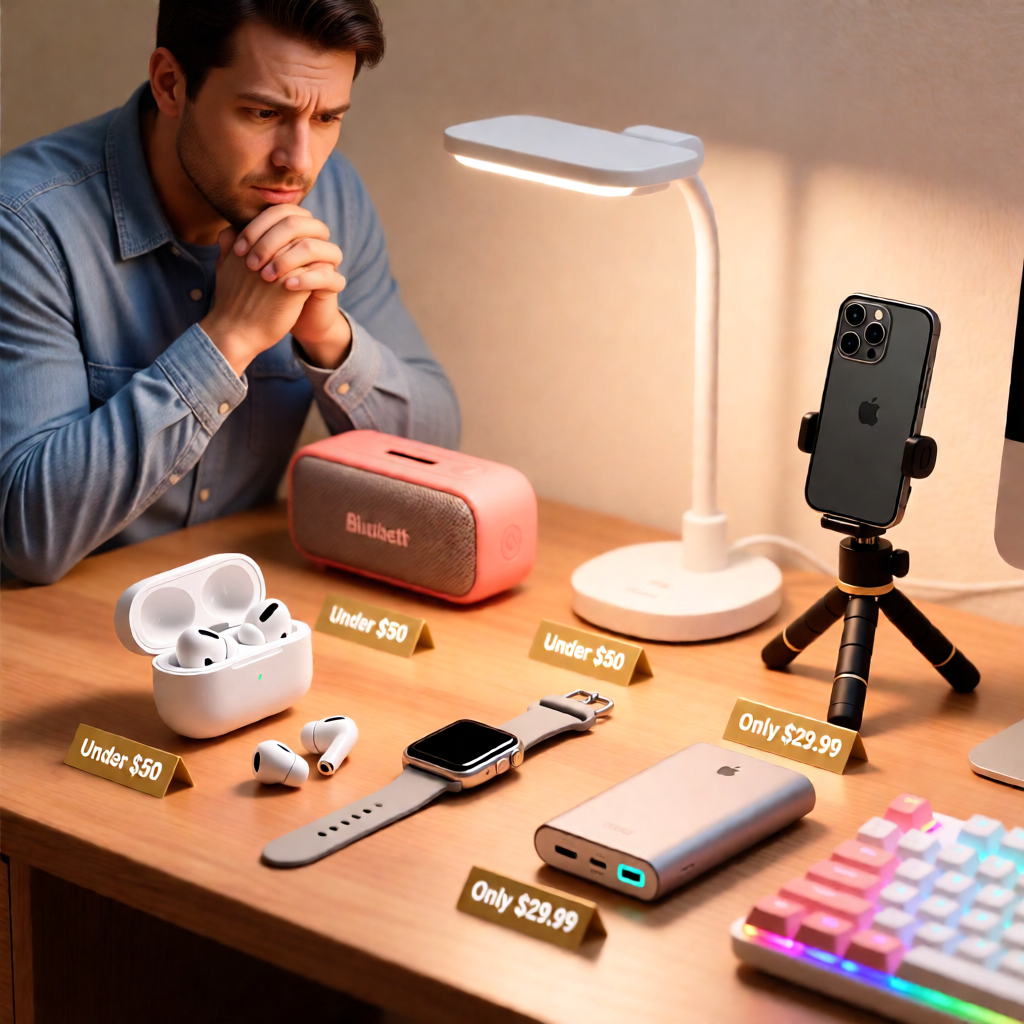
Here’s a common frustration: many assume that “under $100” automatically means compromise everywhere. That’s not really the case—the real issue is when expectations are set in the wrong place.
Take an $80 smartwatch. Expecting an Apple Watch-level app ecosystem? Disappointment is guaranteed. But if your goal is fitness tracking, decent battery life, and basic notifications, you can find a solid option in that price range.
Here’s the thing—“best” in budget tech doesn’t mean perfect across the board. It means least compromise for your needs.
In this guide, we’ll cover:
Which categories of budget tech actually perform well
Where marketing fluff oversells
Which features you can safely ignore
Common mistakes that lead to regret
We’re not making a “Top 10 Must-Buy Now” list. Instead, after reading this guide, you’ll be able to confidently answer: “This product works for me, and that one doesn’t.”
Look, perfect tech under $100 doesn’t exist. But smart choices mean value, and poor choices mean frustration. Honestly, some budget gadgets surprised even us—they weren’t as bad as reviews made them seem. And conversely, some “highly rated” products completely ruined the experience after a few months.
This guide is designed to help you catch those traps before you spend a single dollar.
Getting to Know the Category–best tech under 100
When most people hear “Best Tech Under $100,” they automatically think—oh, cheap gadgets. You know, the kind that might break after a week. But here’s the thing: this category isn’t really about “cheap” tech. It’s more about value-focused gadgets. And honestly, understanding that difference early on is crucial, because if you don’t, your whole buying journey can go sideways.
Within this price range, you’ll find a little bit of everything: wireless earbuds, budget smartwatches, cell phones and accessories, small home gadgets, portable chargers, keyboards, webcams, even entry-level cameras. The tricky part? Even though all of these products fall under the same $100 umbrella, performance expectations vary wildly.
Here’s something a lot of first-time budget buyers miss—making a decision purely based on specs is the fastest way to disappointment. More RAM? Bigger battery? Extra features? On paper, they look amazing. In reality… not always. Sometimes:
- More features = buggy software 🐛
- Larger battery = heavier, bulkier device
- Multiple modes = confusing user experience
The real difference between “cheap” and “value” tech only becomes obvious after a few weeks or months of actual use. Cheap tech usually feels exciting for the first 7–10 days and then, boom, the issues start piling up. Value tech might not feel perfect on day one—but over time, it doesn’t become annoying or frustrating either, which is exactly why many most useful electronic gadgets don’t look flashy at first glance but hold up surprisingly well in daily use.
Another common misconception is that brand equals safety. Big brands definitely have the trust factor, but their cheaper options often don’t get the same care as their top-tier models, while smaller or lesser-known brands tend to focus on budget-friendly products and can end up offering better value for the money. The tricky part? Knowing which ones are actually worth it isn’t obvious just by looking at the packaging or marketing.
Here’s what matters most when buying tech under $100:
- What compromises you’re willing to accept
- What compromises are deal-breakers for you
For instance, is audio quality slightly average okay if the battery lasts for days? Or do you prioritize sound quality over battery life? Asking yourself these questions first saves a lot of confusion later.
Honestly, in this category, there’s no such thing as a perfect product. What exists is the best-fit product for your needs. That’s exactly what this guide is designed to help you find.
The smartest approach? Stop thinking of this as “budget tech” and start thinking priority-based tech. Once you identify the features that truly matter to you, surprisingly good gadgets under $100 start to appear—gadgets that feel far more expensive than they actually are. And honestly, isn’t that the thrill of hunting for budget tech in the first place?
Types & Variations Explained: Understanding Budget Tech Under $100
Honestly, the reason the “Best Tech Under $100” category has blown up so much is pretty simple—diversity of use cases. People don’t buy tech for just one reason. Some want convenience, some chase productivity, and others? Honestly, people just want a bit of fun in their lives, so it makes sense to look at this category in a few broad buckets—let’s break it down.

- Personal Tech
This one’s probably the most obvious. From earbuds and smartwatches to fitness bands and phone accessories, this covers pretty much anything you carry in your pocket, wear on your wrist, or keep close to your phone. What really matters here? Comfort, battery life, and compatibility. Users often rave about how lightweight earbuds or watches make daily life easier. - But here’s the catch: at a sub-$100 price point, audio clarity or screen quality can take a little hit. Don’t get me wrong, usability usually stays solid. You can track your steps, get notifications, and jam to music without spending a fortune. If you’re hunting for something specific, a best cheap fitness tracker watch can be a surprisingly reliable choice for daily tracking.
- Productivity & Desk Tech
This is actually where budget tech can shine—surprisingly—think keyboards, mice, webcams, and desk lamps, where stability and reliability matter far more than flashy features. I’ve read tons of user reviews where people said, “Honestly, my $30 keyboard has lasted me months without a glitch.” And that’s exactly the point—many desk accessories under $50 do their job perfectly for everyday tasks. If you’re a student juggling assignments or a remote worker in need of functional setup, cool home office gadgets often hit the sweet spot. - Home & Lifestyle Tech
This one’s fun because it touches everything from smart plugs to mini fans, portable lamps, and small kitchen gadgets. Convenience is the main selling point here. Here’s the thing—durability can be hit or miss. Some people have shared that their $25 smart plug worked perfectly for months before suddenly failing, but if you’re looking for simple, short-term convenience, these gadgets often exceed expectations—with a bit of planning and realistic expectations, you’ll get the most out of them. Adding Best Green Lighting Products - can make a small but noticeable difference in home setups.
- Gadgets for Entertainment & Fun
Mini speakers, game controllers, retro consoles, LED lights—you know the type. These are the impulse buys. Expectations here? Keep them in check. Users often report a fun factor that’s high initially, but longevity… not so much. Still, for casual fun or as a gift, these gadgets hit the sweet spot—sometimes it’s really more about creating that “wow” moment than anything long-term. A best bluetooth speaker around 100 is a solid example for instant entertainment without breaking the bank.
Who Buys What?
It depends on your lifestyle: Beginners often have the best experience starting with personal or lifestyle tech. It’s simple to use, easy to follow, and something you can start benefiting from right away. From my experience, students and remote workers really get the most value out of productivity tech, because something as simple as a reliable keyboard or desk lamp can genuinely make everyday work more efficient. Casual buyers? Entertainment gadgets are great for instant fun—but don’t expect them to last forever.
Let’s be real here—$100 doesn’t magically buy the perfect product in every category. Some categories are safer bets than others. Some require a bit of caution. Understanding these variations? Honestly, you’re already halfway there—once you know where budget tech excels and where it can fall short, you can make wiser choices, steer clear of disappointment, and still enjoy the excitement of a great deal.
Key Features That Actually Matter: What to Focus on When Buying Tech Under $100
Here’s the thing—buying tech under $100 can be a little like navigating a jungle. Seriously. Walk into an online store, and every product is shouting at you: “HD! Pro! AI-powered! Ultra Fast!” And honestly? Most of the time those buzzwords are pretty meaningless, so figuring out which features actually make a difference—and which are just hype—can save you from serious buyer’s remorse.

1. Build Quality: Not Just About Materials
You might have heard the stereotype: “Cheap tech = fragile tech.” And yeah, sometimes that’s true. But it’s not the whole story. Here’s the nuance: material choice matters more than price tag. Plastic isn’t the enemy—cheap, brittle plastic is.
When you start reading through user reviews, the same issues keep coming up—loose buttons, shaky hinges, stiff or easily damaged cables, or even poorly protected power components (which is why things like a highest joule rating surge protector can quietly make a big difference). While brands rarely mention these details, they’re the little problems that make a product feel cheap or fail after a few months, which is why it pays to watch for repeated build-quality complaints when you’re shopping under $100. That’s the kind of “real-world insight” you won’t find on the box.
2. Battery & Power Management: Consistency Beats Size
A big battery number looks impressive, right? But here’s the catch: bigger doesn’t always mean better. Some budget devices pack in a high-capacity battery but completely fail at optimization. Result? Standby drains, inconsistent performance, or noticeable decline after just a few months.
You’ll see reviews saying things like, “The battery sounded great on paper, but after a month it barely makes it through the day,” and that’s why consistency matters more than raw size—a device that performs reliably every day is worth far more than one with an impressive spec sheet number.
3. Software & Compatibility: The Silent Dealbreaker
Honestly, this is where budget tech falls short most often—whether it’s smartwatches, earbuds, fitness bands, or smart home gadgets. They all rely heavily on software, and while “works with Android or iOS” sounds reassuring, real-world issues like buggy apps, missing updates, or sudden compatibility problems are common.
One reviewer even mentioned that their smart watch with texting capabilities synced perfectly for two weeks before an update broke key features, which is why checking update frequency, app reliability, and true compatibility can save you a ton of frustration.
4. Core Performance: Basics Over Extras
Budget products rarely excel at everything. So, focus on what actually matters. Earbuds? Make sure call quality and sound clarity are solid—especially when comparing options like the best wireless earphones under $50, where flashy extras often matter less than consistent audio performance. Smartwatch? Step tracking and notifications should be accurate. Keyboard? Key response must feel good.
Minor imperfections—extra modes, flashy gimmicks, or secondary sensors—can often be ignored, as long as the core function works reliably. Users frequently say, “It’s not perfect, but it does the job every day,” and honestly, that’s the sweet spot in budget tech.
5. After-Sales Support & Documentation: The Overlooked Hero
Here’s a subtle one: manuals, setup guides, and customer support. You’d be surprised how much frustration a confusing manual or unresponsive support can cause. Some smaller brands actually shine here, providing clear documentation and responsive help. Meanwhile, some big brands? They completely ignore it.
User reviews often note, “Setup was surprisingly easy” or “Support helped me fix an issue in minutes”—those little touches matter more than a flashy spec sheet.
The Smart Approach
From my own experience with budget tech under $100, simpler products with fewer but dependable features usually perform far better—because flashy extras like sensors or modes don’t mean much if your earbuds drop calls or your smartwatch miscounts steps.
So when you’re shopping, it really helps to pause and focus on what you’ll use every day: strong core performance, steady battery life, solid build quality, and reliable software. Noticing these small differences is what separates a purchase you regret from one you’re genuinely happy using for months.
Common Buyer Mistakes: Avoid These Pitfalls When Shopping Tech Under $100
From my experience, shopping for tech under $100 can feel like a minefield because just when you think you’ve made a smart pick, you end up hitting the same common mistakes so many people make—even though, once you know what to watch for, most of them are actually easy to avoid. The tricky part? You need just a bit of awareness.

1. Branding Over Value
Let’s start with the classic one: trusting a big name blindly. You see a trusted brand and think, “Oh, must be good, right?” Well… sometimes. Here’s the catch—budget lineups from big brands are often just shadow versions of their flagship products.
If you read through customer reviews, you’ll keep seeing comments like “Great brand, but this was a letdown” or “I expected flagship quality for a budget price and didn’t get it,” which usually isn’t because the product is awful but because expectations don’t line up with reality.
This happens a lot with audio products too, where people expect premium sound from options like best over ear headphones under 100 dollars simply because of the brand name—so rather than buying for the logo, it makes more sense to pay attention to real user experiences and what the product actually delivers.
2. Spec Chasing
Here’s another common trap: chasing specs. More RAM, more sensors, more bells and whistles—it sounds tempting. But budget hardware simply can’t always handle every feature gracefully. The result? Laggy performance, devices heating up, battery draining faster than expected.
One reviewer noted, “I thought I’d get everything, but honestly, a simpler device would’ve been better.” And that’s exactly the point—sometimes less is more. Focusing on the features you’ll actually use beats chasing numbers on a spec sheet.
3. Ignoring Compatibility
Ah, compatibility—the silent killer of happiness. Especially if you’re in the Apple vs Android ecosystem. Many smartwatches or accessories claim “works with all devices,” but in reality, you might face notification delays, feature locks, or limited functionality—issues that buyers of true earbuds wireless often mention only after real-world use.
Users usually discover this frustration only after purchase. A device that looks perfect in the store may deliver only half its advertised features on your phone, so double-check app support, OS versions, and real user reports before hitting “buy.”
4. Falling for Fake Reviews & Paid Hype
This one’s sneaky. Short, overly positive reviews are usually a red flag. Real feedback tends to be balanced—highlighting both strengths and weaknesses. The goldmine? Complaints after 2–3 months of use. They tell you exactly how the product holds up over time.
If you rely only on polished marketing or a handful of glowing reviews, you’re asking for disappointment. Seriously, take a few extra minutes to scroll deeper—you’ll thank yourself later.
5. Expecting Future-Proof Tech
Budget gadgets are rarely future-proof. Updates, spare parts, and long-term longevity are often limited. Expecting a $50 device to stay cutting-edge for years? That’s setting yourself up for regret.
Here’s the reality: most budget tech serves short-term, practical needs. If your expectations are realistic—like daily usability, not longevity—you’ll be much happier.
The Root of Most Regret
Let’s be real—regret usually comes when buyers aren’t clear on their own priorities. Do you care more about camera quality or battery life? Style or durability? If you don’t answer these questions before buying, mistakes are inevitable.
The goal of this guide is simple: help you dodge these recurring traps. Awareness is everything. Once you know what to watch for—branding hype, spec obsession, compatibility issues, fake reviews, and unrealistic expectations—you’re already ahead of most buyers. And honestly, that’s half the battle.
Real-World Pros & Cons of Budget Options: What You Actually Get Under $100
Here’s the thing—shopping for tech under $100 really does feel like cracking open a mystery box. Sometimes you plug it in and immediately think, wow, this is way better than I expected. Other times it’s fine… until a few months go by and little issues start popping up, battery feels weaker, a button doesn’t click right anymore, that kind of stuff 😅.
That back-and-forth is honestly what makes this whole budget space kind of fascinating. There’s real value here, but it’s never guaranteed.

The upside is pretty obvious once you’ve tried a few things. Budget tech today isn’t the bare-minimum junk it used to be. You can grab earbuds with surprisingly decent call quality, smartwatches that actually track steps reliably,
or keyboards that don’t leave your fingers sore after ten minutes. For casual use, that’s usually enough. And the low-risk factor matters more than people admit. Dropping under $100 on something new—whether it’s a fitness tracker, a
smart home gadget, or even cheap noise cancelling earphones—feels way less stressful. If you like it, cool. If not, at least you didn’t overthink the purchase. There’s also something nice about how simple a lot of these devices are. No endless menus, no features you’ll never touch. You see people online saying, “It just works,” and honestly, that’s sometimes the whole appeal.
But yeah, the downsides are real too. Durability is the big one. A lot of budget gadgets feel solid at first, then around the 3–6 month mark you notice things loosening up or battery life quietly dropping off. Software support can be frustrating as well—apps stop syncing properly, updates slow down, or a new OS suddenly breaks something that used to work fine. And quality control is a bit of a lottery.
Two people buy the same model, one loves it, the other returns it. Even specs aren’t always what they sound like; “up to 10 hours of battery” often ends up closer to five or six in real life. None of this makes budget tech bad—it just makes it… unpredictable. And that unpredictability is kind of baked into the whole experience.
How to Choose the Right Option for Your Needs
Honestly, choosing the right tech under $100 can feel surprisingly tricky. You scroll through pages, read specs that sound impressive, and then—boom—you’re stuck wondering, “Do I really need all this?” Here’s the thing: the most important step isn’t picking the flashiest gadget—it’s figuring out your actual use case first. Start with the problem, not the product.

Ask yourself some simple, yet revealing questions:
Am I going to use this every day, or just occasionally?
Is this primarily for work, or mostly for entertainment?
Do I need portability, or is performance more important?
Here’s a practical tip: if it’s for daily use, reliability should trump features. I know, it’s tempting to go for that model with ten extra modes or a fancy sensor—but if the core function isn’t rock-solid, none of those extras matter. This is especially true when comparing everyday audio options like the best earphones under 100 usd, where long-term comfort and stable performance often matter more than flashy add-ons.
When scanning reviews, keep an eye out for comments like, “Still works after 3 months”. These are gold because they hint at real-world durability, not just marketing fluff.
Next up, consider the ecosystem. You might be an Android person, an iOS devotee, or a Windows/macOS user. Compatibility can make or break your experience. Imagine buying a gadget that doesn’t sync with your laptop or phone—trust me, it becomes a mini headache. Smooth integration is often more valuable than extra features, especially for wearables like a best cheap fitness tracker watch, where app support and syncing reliability matter every single day.
Then there’s the real-world feedback. One-week reviews are cute, but the truth comes out after 2–3 months. Use Amazon’s “Most Recent” filter, Reddit threads, or the Q&A section. Honestly, these spots hide the truth: durability quirks, weird bugs, or surprisingly clever workarounds that no spec sheet mentions. It’s like getting a backstage pass to the product experience.
Also, manage your future expectations. Budget tech is not meant to last five years with flagship-level performance. Focus on whether it meets today’s needs. That’s it. Future-proofing is nice in theory, but if you overspend for something that feels “future-ready” but barely serves you now—it’s just wasted money.
For beginners, here’s a shortcut rule that really works: go for the product that requires the least explaining. If setup is simple, the manual is clear, and you don’t need to read a hundred online threads just to figure out the basics—that product usually keeps your daily happiness intact. Small things, like not having to troubleshoot every morning, matter a lot more than flashy features.
At the end of the day, smart buying isn’t about picking the most expensive or feature-packed option. It’s about picking the fit-for-you option—something that seamlessly fits into your life, feels reliable, and solves your actual problem. And honestly, isn’t that what tech is supposed to do? Make life easier, not more complicated.
So next time you’re tempted by glittery specs or “must-have” features, pause and think: “What do I really need?” You might just save money, avoid frustration, and—surprisingly enough—actually enjoy your gadget.
Product Examples: Context Matters
When talking about tech under $100, a few product names naturally come up in conversation—not because they’re “the best,” but because people keep sharing their experiences, both good and bad. The reality is, budget tech often lives in a gray zone: it delivers some features well but has limits if expectations aren’t managed.
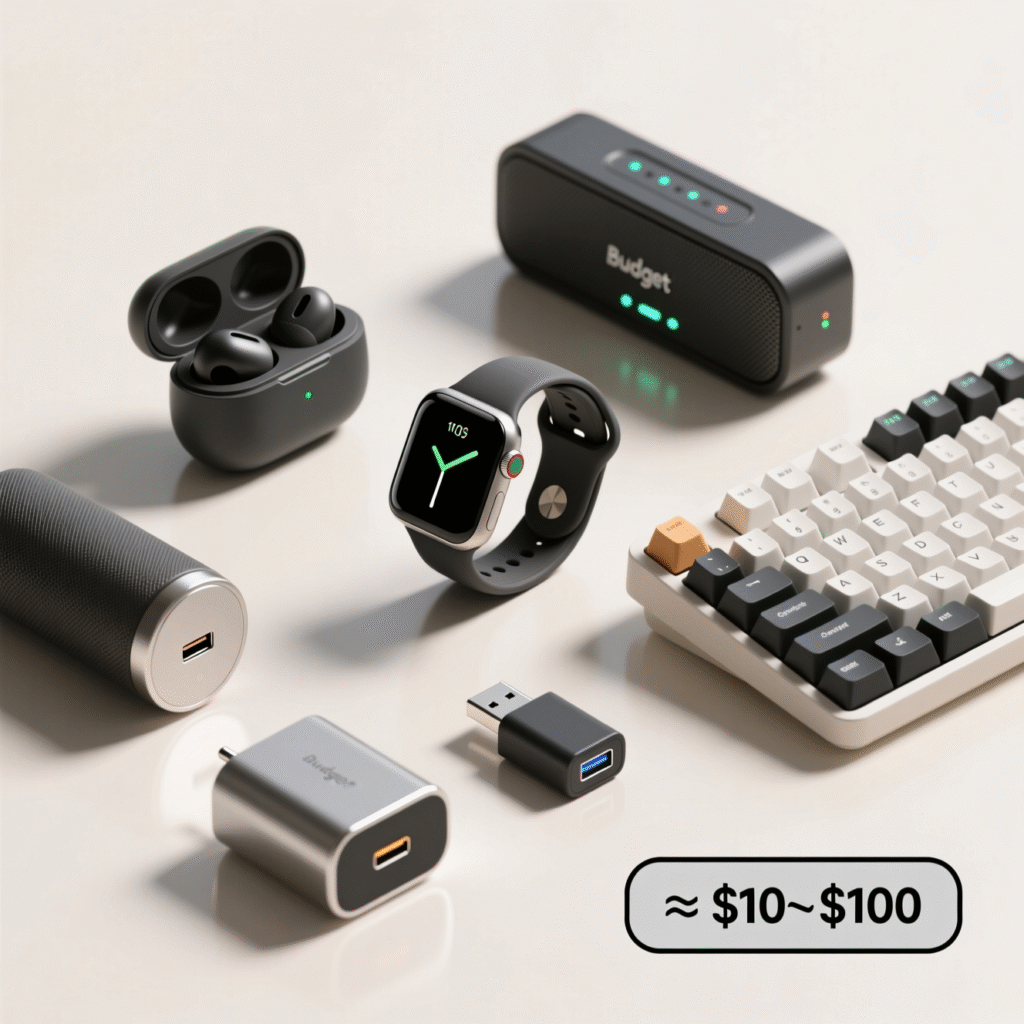
Take cheap noise cancelling earphones, for instance. In many discussions online, you’ll see well-known brands bringing older flagship features—like active noise cancellation or low-latency modes—into their more affordable models. Sounds great on paper, right? But here’s the thing: real-world performance is a little more modest. Users often report that background noise during a commute is reduced, but it’s not “silence achieved.” Knowing this context prevents disappointment. Honestly, it’s a classic case of “expect less, enjoy more.”
Budget friendly smartwatches show a similar pattern. Fitness-focused models under $100 are surprisingly popular because they reliably track steps, sleep, and heart rate. Users often praise this consistency. But features like calling or third-party app support are hit or miss. If you’re hoping your smartwatch will replace a mini smartphone, you might feel frustrated. On the other hand, if your priority is notifications plus basic health tracking, these watches usually hit the mark. Context and use-case make all the difference.
Then there’s affordable keyboards and mice. Mechanical feel and RGB lighting are now accessible enough to make casual gamers and office users happy. Yet, long-term forum discussions often mention that switches might lose consistency or scroll wheels could wear down over time. For heavy gamers or competitive users, this is a limitation—but for everyday typing or gaming, it’s perfectly fine.
Finally, think about portable chargers, cables, and adapters. Here, certification and compatibility are the real deal. Products with PD or USB-IF certification inspire confidence; uncertified ones often work at first but may overheat or charge slowly. Users quickly learn to check labels before buying.
What these examples show is simple: budget tech isn’t inherently good or bad. Its performance is highly context-dependent. If you match the product to your needs, understand its limits, and set realistic expectations, the experience is often surprisingly satisfying. And honestly, sometimes the “limitations” are the lessons that make you appreciate what works even more.
FAQs: Everything You’re Curious About Budget Tech
When it comes to tech under $100, people often have the same questions. Honestly, I get it—spending money, even a little, and hoping it actually works is stressful. Let’s walk through the most common queries, step by step.
1. Can you really get “good quality” under $100?
This is probably the number one question we see. And honestly—the answer is yes, but with conditions.
The budget tech market today is surprisingly mature. A few years ago, “budget” basically meant compromise. Now, there are products designed to give real value without breaking the bank. But—and this is important—the quality you get depends entirely on what trade-offs you’re willing to make.
For example, a pair of earbuds might deliver excellent sound quality but feel a little flimsy in the build department. Or a smartwatch could track your steps and sleep perfectly but have a weak app ecosystem. So yes, quality exists, but if you expect flagship-level everything, disappointment is almost guaranteed. The trick? Align your expectations with your actual needs.
2. Why do some budget gadgets start acting up after 2–3 months?
This is another classic concern you’ll see across Reddit, Amazon reviews, and forums. Short answer: most budget tech is designed for short-term performance, not long-term perfection.
At first, the device works like a charm—battery holds up, sensors feel accurate, buttons click nicely. But after a few months, subtle issues appear:
- Battery life starts dropping
- Sensors become less precise
- Straps, buttons, or scroll wheels show wear
Here’s the thing: it’s not always a “bad brand” problem. The price constraint is the main factor. If you’re looking for long-term reliability, simpler products with a single core function usually fare better than multi-feature devices.
3. Does branding really matter under $100?
Yes and no. Branding matters, but maybe not in the way you think. A big, established brand doesn’t automatically mean you’re getting the best specs. Sometimes, mid-tier or niche brands deliver more features for the same price.
The advantage of sticking with a known brand usually comes in:
- Better firmware and software support
- Clear warranty and customer service policies
- Stable compatibility across devices
Buying from an unknown brand can be tempting because the specs look amazing—but there’s a risk that long-term support is uncertain.
4. Is buying an “all-in-one” budget gadget a mistake?
Honestly, in most cases—yes. If a device claims it can do everything (fitness, calling, music, GPS, apps) under $100, it’s probably marketing-heavy. Experienced buyers tend to agree: choose a device that does one thing really well rather than everything poorly. Trust me, that little decision saves a lot of frustration later.
5. What’s the safest way to buy budget tech?
If you want to avoid regret, try a simple step-by-step approach:
- Define your use-case – what problem are you trying to solve?
- List must-have features – keep it realistic.
- Ignore nice-to-haves – they often complicate things.
- Check long-term reviews – 2–3 month feedback is gold.
Following this mindset helps you spend smart, avoid disappointment, and enjoy your gadget rather than stressing over trade-offs. And honestly, sometimes the best tech is not the flashiest one—but the one that just fits your life seamlessly.
Why You Can Trust Us
Here’s the thing about budget tech—everyone claims to know what’s “best,” but almost nobody tells you what you’re actually compromising on. And honestly?
That’s exactly where most people go wrong, and when putting this guide together, we didn’t push any specific brands or claim to personally test every gadget—instead, we zeroed in on the real frustrations users mention after months of ownership, especially the issues you’ll never see highlighted in slick marketing videos.
Our research process is fairly straightforward:
- We comb through hundreds of user opinions across Amazon reviews, Reddit threads, tech forums, and Q&A sections. You’d be surprised how much you can learn from real buyers’ complaints and praise.
- We compare official specifications and certifications—Bluetooth versions, battery ratings, build materials—basically anything that actually affects day-to-day use.
- We analyze patterns across products in the same price range. For example, why does a $30–$40 smartwatch have decent battery life but a frustratingly clunky app?
- Most importantly, we ignore the short-term excitement and look at what breaks, lags, or annoys people after 2–3 months.
Honestly, budget tech isn’t just “good” or “bad.” It’s mostly about managing expectations. The goal of this guide is simple: to help you confidently buy gadgets under $100 without thinking later, “Ugh, if I spent $20 more, I’d have gotten something better.”
Final Verdict: Making Sense of Tech Under $100
Honestly, the Best Tech Under $100 space can feel like a bargain hunter’s dream at first glance. You scroll, specs jump out at you, and for a second you genuinely think, “Wait… am I really getting all this for under a hundred bucks?”
That excitement makes sense. But here’s the reality—it only works when expectations stay grounded. This becomes even clearer once you start comparing devices further down the ladder, like the best gadgets under $10, where value matters far more than polish or perfection.
This price range usually works best for a few specific types of users:
- Students, who just need something functional without stretching their budget too thin
- Casual users, where convenience matters more than chasing top-tier performance
- Secondary device buyers, such as someone picking up a backup tablet, basic earbuds, or a budget smartwatch
- Gift purchases, where usability often matters more than premium design or brand names
If you’re aiming for flagship-level power or ultra-premium features, then yes—this probably isn’t the right category. But for people who care about practicality, decent performance for the price, and even a bit of hands-on learning along the way, today’s budget tech scene is surprisingly strong. In fact, many under-$100 options now feel noticeably more reliable and better equipped than what was available just a few years ago.
The biggest mistake most buyers make? Emotional decisions based purely on spec sheets. We’ve all done it—spotting a device with “five extra sensors” or “low-latency mode,” imagining it will revolutionize your life. Reality check: specs don’t always translate into everyday happiness. Instead, the smartest move is to focus on your actual use-case.
Simple, proven options that fit your daily routine tend to bring the most satisfaction. Think of it like picking a reliable pair of shoes instead of the fanciest sneakers you can’t walk in comfortably.
Here’s a practical tip: if you’re browsing options right now, keep an eye on current prices. Solid budget tech often goes on sale, sometimes dropping by 10–30% unexpectedly. Timing your purchase can make a surprisingly big difference, and let’s be honest, who doesn’t love a little deal hunting? 🛒
At the end of the day, tech under $100 isn’t about getting everything—it’s about getting the right thing for you. Reliability, simplicity, and value matter far more than flashy extras. Pick the gadget that solves your problem, fits your ecosystem, and won’t frustrate you after a couple of months. Do that, and your budget purchase will feel like a small victory every single day.
If you click an Amazon link and buy something, we may earn a small commission at no extra cost to you.