
When Your Music Makes the Room Spin
Maybe this scenario sounds familiar: You’re slipping in your wireless earbuds to catch up on a podcast, and then — out of nowhere — the room tilts. Not dramatically, not “call a doctor” dramatic… but enough to make you pause and think, Wait, what was that?
📌 Table of Contents ▼
- 1. When Your Music Makes the Room Spin
- 2. What’s Happening & Why It Matters
- 1. Noise-cancelling tech has become more powerful
- 2. Spatial audio is tricking the brain (a little too well)
- 3. More people use earbuds for hours every day
- 4. Earbud tips are sealing tighter
- 3. When Technology Meets Biology
- The Music Lover
- The Remote Worker
- The Gym-Goer
- 4. Expert Insights & Market Context
- 🔍 1. Vertigo isn’t caused by earbuds alone — it’s caused by conditions they can trigger in some users.
- 🔍 2. Inner ear pressure sensitivity varies dramatically.
- 🔍 3. ANC algorithms are different across brands.
- 🔍 4. Future earbuds may use adaptive vestibular balancing.
- 5. Challenges & Controversies
- 1. Manufacturers downplay side effects
- 2. No standardized measurement of ANC pressure perception
- 3. “Just return them” isn’t a real solution
- 4. Health creators on social media spread mixed messages
- 6. So… Can Earbuds Truly Cause Vertigo?
- Yes — earbuds can cause vertigo in certain people, under specific conditions.
- 7. Prevention Tips: How to Avoid Earbud-Related Vertigo
- 1. Reduce ANC intensity
- 2. Switch to transparency mode periodically
- 3. Try different ear tips
- 4. Avoid wearing earbuds for 6+ hour stretches
- 5. Balance the seal between both ears
- 6. Test spatial audio slowly
- 7. Use open-ear earbuds if you’re sensitive
- 8. The Future Outlook: Earbuds in the Next 2–5 Years
- 1. Smarter ANC
- 2. More user control
- 3. Open-ear popularity boom
- 4. Health-first audio features
- 5. Vestibular-aware wearables
- 9. Who Should Care?
- 10. Quick Recap + Pros & Cons
- Pros of Modern Earbuds
- Cons for Sensitive Users
- 11. Final Take
- 12. FAQs
- 1. Why do I feel dizzy when I put my earbuds in?
- 2. Can earbuds permanently damage my balance?
- 3. Is spatial audio more likely to cause vertigo?
- 4. Should I stop using earbuds completely if I get vertigo?
- 13. Related Posts
- How Can I Make My Phone Run Faster? | Easy...
It’s not a universal experience, but it’s common enough that threads on Reddit, Apple forums, and audiophile groups keep resurfacing with the same question:
Can earbuds cause vertigo?
And even more importantly:
If they can, what’s actually happening — and can you prevent it?
That’s what we’re unpacking today. If you want options for more ear-friendly audio gear later, you can jump to a quick Amazon search 👉 safer earbuds JLab Go Pods ANC True Wireless Earbuds
What’s Happening & Why It Matters
Vertigo feels like motion when there isn’t any. It can be mild (a quick wobble) or intense (the whole world spinning like a broken VR headset). While the focus keyword here — can earbuds cause vertigo — might sound like something pulled from health TikTok, the science behind it is surprisingly grounded.
Here’s why this has gone mainstream:
1. Noise-cancelling tech has become more powerful

Modern ANC (active noise cancellation) is no longer a luxury. Even sub-$50 earbuds now use algorithms that create “anti-noise,” effectively reducing external sound. But aggressive ANC can sometimes:
- Change pressure perception in the ear
- Create imbalance if one ear seals more tightly
- Confuse the brain’s spatial audio mapping
This isn’t real pressure change — it’s perceived. But “perceived pressure” is often enough to trigger dizziness in sensitive users.
2. Spatial audio is tricking the brain (a little too well)
Apple, Samsung, Sony, and Bose have all leaned heavily into head-tracked spatial audio. When it works, it’s magical — like standing inside the soundstage of your favorite band.
When it doesn’t, it can feel like your ears and body disagree about what’s moving.
Hello, vertigo.
3. More people use earbuds for hours every day
Remote work, long commutes, workouts, gaming… earbuds became the default audio interface of modern life. More hours = more chances for discomfort.
4. Earbud tips are sealing tighter
To deliver better bass and isolation, brands are shifting to more aggressive silicone and foam tips. This can:
- Increase pressure on the ear canal
- Affect the vestibular system
- Exacerbate existing balance issues
The rise of “pressure relief” vents helps, but not every brand gets it right.
This trend is real, and it’s affecting more people than manufacturers usually care to admit. But don’t toss your wireless buds yet — there’s nuance.
When Technology Meets Biology
Technology stories often spiral into spec sheets and bold claims, but with earbuds and vertigo, personal experiences tell the bigger truth.
The Music Lover
One user described their experience with high-end ANC buds as “like going underwater suddenly,” followed by a woozy sensation that lasted an hour.
The Remote Worker
Another wrote that after back-to-back calls, their AirPods Pro made them feel “like I stepped off a carnival ride.”
The Gym-Goer
A runner noticed that only one earbud triggered dizziness — because the silicone tip in that ear sealed tighter, creating uneven sensory input.
These stories pop up across platforms. The underlying theme?
Tech is advancing, but our biology hasn’t caught up — and our ears remain incredibly sensitive instruments.
Expert Insights & Market Context
While this article isn’t medical advice (and shouldn’t be treated as such), here’s what experts in acoustics, audiology, and wearable tech consistently point out:
🔍 1. Vertigo isn’t caused by earbuds alone — it’s caused by conditions they can trigger in some users.
Earbuds don’t “cause” vertigo in a vacuum. They can, however:
- Disturb equilibrium if ANC is overly strong
- Disrupt spatial orientation
- Irritate the vestibular nerve
- Affect existing inner ear conditions (even mild ones)
Think of earbuds as the catalyst, not the cause.
🔍 2. Inner ear pressure sensitivity varies dramatically.

Some users feel nothing.
Others feel woozy within minutes.
Much like motion sickness, susceptibility is personal.
🔍 3. ANC algorithms are different across brands.
Bose tends to be smoother.
Apple fluctuates aggressively.
Sony focuses more on low-frequency cancellation.
Budget earbuds sometimes overcorrect, causing artificial “pressure shifts.”
As one analyst put it, “ANC is basically tricking the brain. Not everyone likes being tricked.”
🔍 4. Future earbuds may use adaptive vestibular balancing.
A few research labs are developing wearables that minimize sensory conflict — essentially “balance-aware” audio devices. We’re not there yet, but it’s a growing frontier.
Challenges & Controversies
Like any fast-moving consumer tech trend, the rise of powerful earbuds comes with tension.
1. Manufacturers downplay side effects
Companies highlight immersive audio benefits, but discomfort and vertigo rarely make it into marketing copy.
2. No standardized measurement of ANC pressure perception
Decibel reduction is measurable.
Perceived pressure? Not so much.
Users are left guessing.
3. “Just return them” isn’t a real solution
People love their earbuds. They want them to work — not to swap them endlessly.
4. Health creators on social media spread mixed messages
Some provide useful tips.
Others claim earbuds “permanently damage balance,” which isn’t supported by evidence.
Tech + health misinformation… what else is new?
So… Can Earbuds Truly Cause Vertigo?
Here’s the answer, stated plainly:
Yes — earbuds can cause vertigo in certain people, under specific conditions.
Not because they’re dangerous, but because:
- ANC may trigger sensory conflict
- Tight seals alter perceived pressure
- Spatial audio can overwhelm the brain
- Extended use increases risk
- Pre-existing ear sensitivity amplifies symptoms
So the keyword question — can earbuds cause vertigo — has a grounded, reasonable “yes, for some users” behind it.
Prevention Tips: How to Avoid Earbud-Related Vertigo
Let’s get practical. You don’t need to stop using earbuds altogether.
1. Reduce ANC intensity
Many earbuds allow “Low,” “Medium,” or “Custom” ANC levels.
Start lower and build tolerance.
2. Switch to transparency mode periodically
It reduces sensory isolation and helps equilibrium.
3. Try different ear tips
Foam tips reduce pressure.
Silicone tips vary by brand.
Vented tips help many users.
4. Avoid wearing earbuds for 6+ hour stretches
Your brain and ears need breaks.
5. Balance the seal between both ears
A tight seal on just one side is a vertigo trigger for many.
6. Test spatial audio slowly
Turn head-tracked mode off first.
Then enable it only in short sessions.
7. Use open-ear earbuds if you’re sensitive
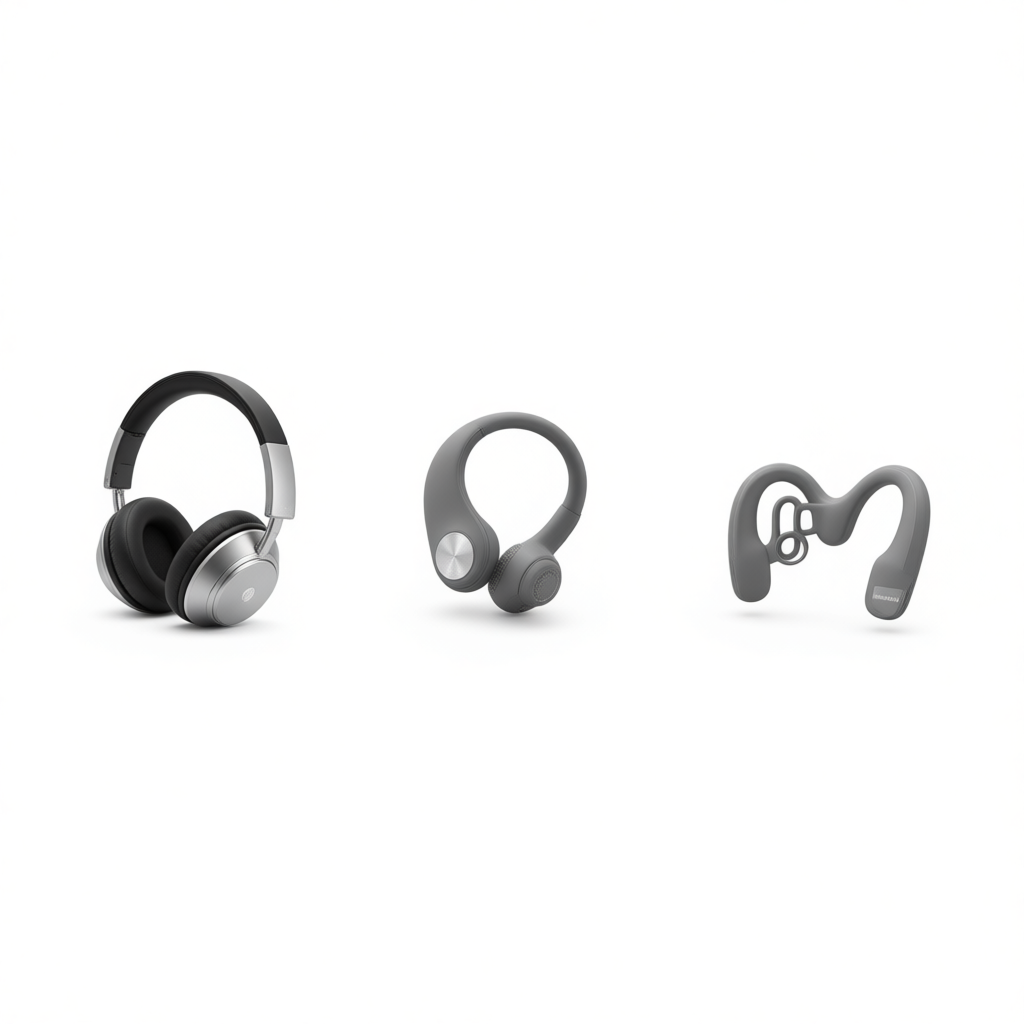
Open-ear designs avoid pressure entirely.
Quick link to browse options 👉 open earbuds and bone conduction devices Pressure‑friendly / safer earbuds:
Open-ear / bone conduction options:
The Future Outlook: Earbuds in the Next 2–5 Years
Expect big changes:
1. Smarter ANC
Adaptive pressure mapping that balances each ear independently.
2. More user control
Fine-grained ANC sliders instead of simple on/off toggles.
3. Open-ear popularity boom
Brands like Shokz and Oladance are leading the way.
4. Health-first audio features
Expect settings like:
- “Reduce dizziness risk”
- “Anti-motion-sickness audio mode”
- “Pressure relief profile”
5. Vestibular-aware wearables
If VR/AR companies can develop anti-nausea tech, earbuds won’t be far behind.
Who Should Care?
This article is especially relevant if you are:
- Someone who gets motion sick easily
- A heavy ANC user
- A remote worker with long call sessions
- A new spatial audio enthusiast
- A gym-goer using tight-seal earbuds
- A parent buying earbuds for a teen
Or simply someone who once felt weird dizziness and thought, “Probably nothing.”
(You’re not alone — it’s common.)
Quick Recap + Pros & Cons
Pros of Modern Earbuds
- Incredible sound
- Personalized ANC
- Spatial audio immersion
- Lightweight mobility
Cons for Sensitive Users
- Pressure perception issues
- Possible dizziness
- Mismatched ear seal
- Over-aggressive ANC algorithms
Final Take
So, can earbuds cause vertigo?
Yes — but it’s usually temporary, manageable, and preventable.
We’re living in a golden age of personal audio. But like any rapidly evolving technology, earbuds are still learning how to coexist with human biology. If you’re sensitive, there’s nothing “wrong” with you — your body is simply reacting to sensory mismatches that the tech wasn’t perfectly designed to handle yet.
Want alternative options? Try browsing 👉 pressure‑friendly earbuds on Amazon.
FAQs
1. Why do I feel dizzy when I put my earbuds in?
Probably because of pressure perception from a tight seal or strong ANC. Your brain doesn’t like mismatched signals.
2. Can earbuds permanently damage my balance?
No evidence supports permanent damage from normal earbud use. Symptoms typically disappear when you stop using the triggering settings.
3. Is spatial audio more likely to cause vertigo?
For some people yes — especially head-tracked versions.
4. Should I stop using earbuds completely if I get vertigo?
Not necessarily. Try adjusting ANC, switching tips, or using open-ear alternatives first.
If you click an Amazon link and buy something, we may earn a small commission at no extra cost to you.