

[ez-toc]
📌 Table of Contents ▼
- 1. The Tiny Film Making a Big Comeback
- 2. Review Scorecard (Real-World Snapshot)
- 3. Key Features & What They Mean in Real Use
- 4. Design & Cartridge Build Quality
- 5. Color Quality, Exposure Behavior & Overall Performance
- 🎨 Color & Tone
- 🔆 Light Sensitivity
- ⏳ Development Reliability
- 🧪 Batch Variation
- 6. Development Time, Handling & Everyday Practical Use
- 7. Reliability & Long-Term Storage
- 8. Extra Notes & Unique Polaroid Features
- 9. Comparisons & Alternatives
- 📌 1. Fujifilm Instax Mini Film
- 📌 2. Instax Square Film
- 📌 3. Classic Polaroid i-Type Film
- 10. Who Should Buy the Polaroid Go Instant Camera Film?
- 11. Pros & Cons
- ✅ Pros
- ❌ Cons
- 12. Why You Can Trust Us:
- 13. Final Verdict: Is It Worth Buying in 2026?
- 14. FAQs
- 1. How do you use the Polaroid Go instant film correctly?
- 2. Why do some photos come out faded or with weird colors?
- 3. Is Polaroid Go film better than Instax Mini film?
- 4. Does Polaroid Go film expire?
- 5. Is there a cheaper alternative to Polaroid Go film?
- 15. Related Posts
- Fujifilm Instax Mini 11 Reviews 2026 – Is the Ice...
The Tiny Film Making a Big Comeback
There’s something strangely magical about instant film. Even in 2026—where 5K smartphone cameras and AI photo editors rule—it’s the tiny Polaroid Go instant camera film that’s showing up at weddings, birthday parties, travel vlogs, and dorm rooms. And honestly? I get it.
The first time I saw the Polaroid Go film in someone’s hand, I remember thinking: Is this… cute or tiny-tiny? It’s like someone shrunk classic Polaroid prints in the wash. And yet, people genuinely love them.
If you own the Polaroid Go camera, this film is more than just an accessory—it’s the whole experience. The color tones, the quirks, the way it develops while everyone crowds around it like it’s 1989… there’s just nothing quite like it.
If you’re already tempted, here’s the Amazon listing I’m reviewing: Check the current price on Amazon before it goes out of stock—these things sell fast during holidays.
Review Scorecard (Real-World Snapshot)
- ⭐ Rating: 4.4/5 — most users love the color pop and the nostalgia factor.
- 💰 Price: About $21.99 for 16 shots, sometimes cheaper during Polaroid Go film deals.
- 🎞️ Best perk: Small, vibrant, instant prints that feel premium despite their mini size.
- ⚠️ Biggest downside: Occasional dud packs and the cost per shot (around $1.37).
- 📦 Compatibility note: Works only with the Polaroid Go camera—no exceptions.
Casual summary? People are happy… unless they catch a bad batch.
Key Features & What They Mean in Real Use
The Polaroid Go film double pack comes with 16 tiny Polaroid instant photos, split into two 8-shot cartridges. It’s basically the official Polaroid Go instant film pack—the only one Polaroid Go cameras accept. Users consistently describe the color rendering as “retro,” “cute,” and “surprisingly vibrant.”
Polaroid uses a new, smaller film format specifically for the Go series. You don’t get the classic large square Polaroid look, but you do get that iconic white frame, full chemical development process, and unpredictable aesthetic that analog lovers admire.
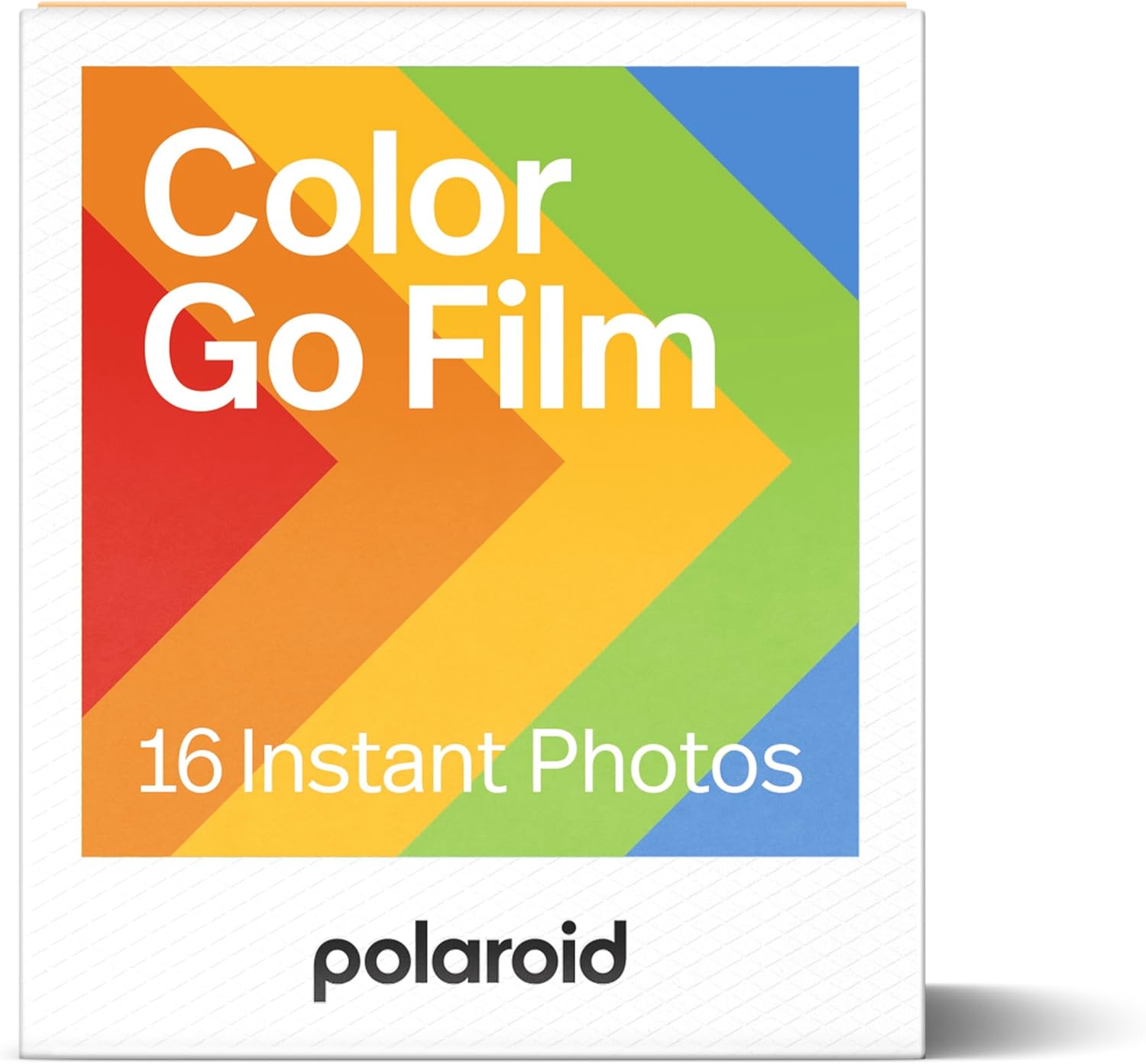
Several verified buyers mention that this Polaroid Go color film develops faster than older Polaroid formats—usually around six minutes. Just remember: the photo comes out blank, and that’s intentional. It needs darkness to develop properly. One user even joked that their first instinct was to shake it like a vintage Polaroid from the ‘80s… which you absolutely should not do.
Polaroid also stresses the temperature rule:
- Store cold. Shoot warm.
Meaning: keep the pack in the fridge (not the freezer), then let it warm to room temperature before loading it.
When people follow this simple advice, color accuracy improves dramatically—fewer bluish tones, fewer muddy shadows, and more contrast.
And while the price per shot feels steep, many customers say the nostalgia and keepsake value make it worth it. Weddings, baby showers, classroom art projects—you name it, this tiny film shows up everywhere.
Design & Cartridge Build Quality
The Polaroid Go film pack looks simple, but it’s surprisingly engineered. The cartridges slide smoothly into the Polaroid Go camera, and the build materials feel thick and glossy—when they’re authentic.
A few users did report receiving off-brand or counterfeit packs, especially when buying from third-party sellers offering “cheap Polaroid Go film.” One reviewer said a fake cartridge jammed their camera and leaked blue chemical across the rollers. Yikes.
The official film, however, feels sturdy, snaps into place cleanly, and feeds photos evenly. This is where Polaroid’s manufacturing consistency stands out compared to some competitor instant films.

Visually, the prints have the classic bright white border. They’re small enough to stick into journals, wallets, scrapbook pages, or wedding guestbooks without dominating the layout. People love that. It’s aesthetically adorable—there’s just no other word for it.
Color Quality, Exposure Behavior & Overall Performance
Let’s talk about how the Polaroid Go instant camera film actually looks once developed. Because this is where most customers get emotional—in a good way.
🎨 Color & Tone
Users describe the tones as:
- “Vibrant and fun”
- “A little retro, but clean”
- “Sometimes purple-tinted, sometimes warmer”
The slight shifts in hue are part of the charm. Polaroid film is famous for being unpredictable. Interestingly, some buyers prefer the purplish tone and were disappointed when later packs shifted warmer. Others said older batches produced yellower results.
This isn’t a flaw—it’s chemical film being chemical film. It’s why people buy Polaroids instead of smartphones.
🔆 Light Sensitivity
Instant film loves light like a plant loves sunlight. The more natural light in your scene, the happier your results will be. Dark rooms? Expect softer, grainier images. That’s normal.
Indoor shots should always use flash—100% of reviewers agree with Polaroid’s recommendation here.
⏳ Development Reliability
It develops cleanly if you:
- Don’t shake it
- Don’t bend it
- Don’t expose it to bright light immediately
- Place it face-down or inside a pocket for six minutes
One reviewer laughed about shaking their first shot and instantly realizing they had committed “Polaroid sin.” The result came out washed and uneven… which, again, is just part of the instant film learning curve.
🧪 Batch Variation
Most packs are perfect, but a small percentage arrive:
- Expired or too old
- Warped
- Underdeveloped
- Washed-out
The culprit is usually poor storage by sellers, so buying from official listings is safer.
Development Time, Handling & Everyday Practical Use
Polaroid Go film is incredibly straightforward to use once you get the hang of its quirks. That’s part of its charm—there’s a ritual to it.
You snap a photo, watch it slide out with that unmistakable whirring sound, hide it from the world for six minutes, and then… voilà.
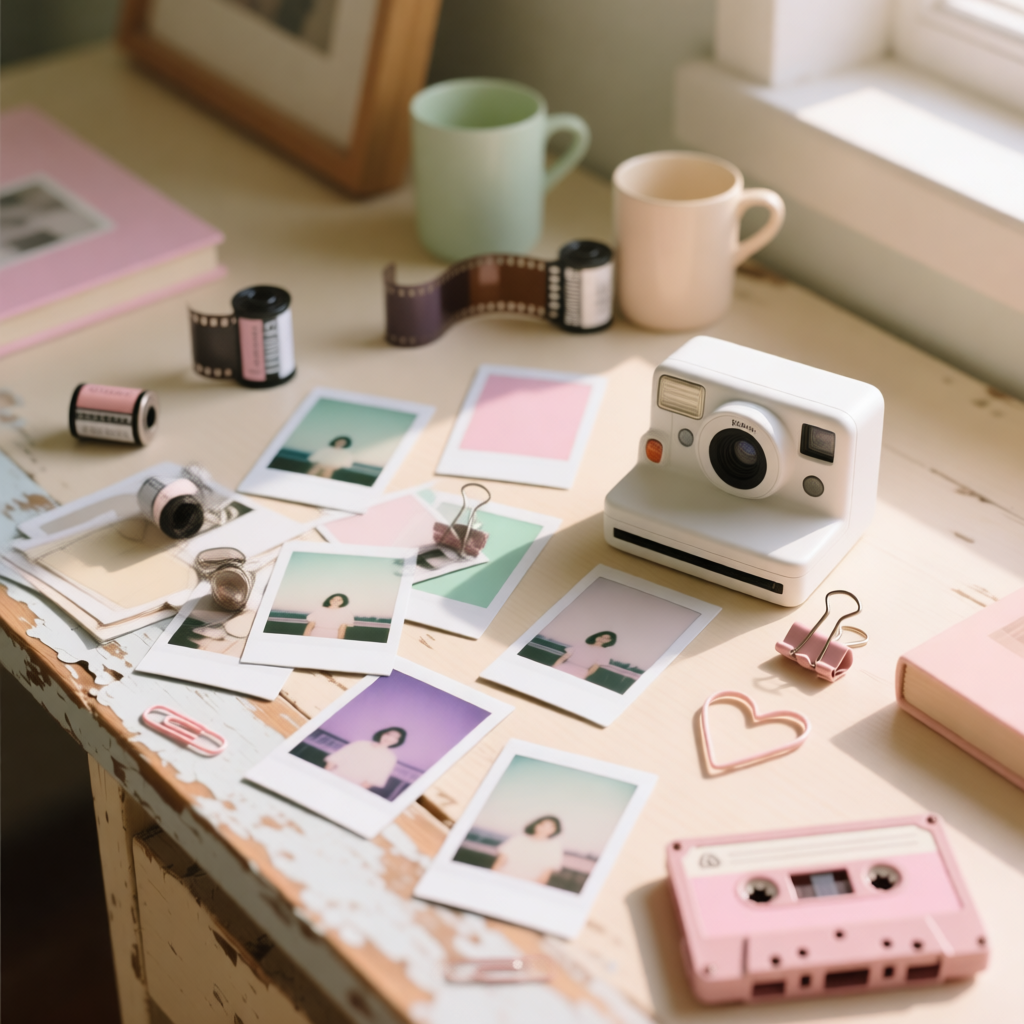
People use these tiny prints for:
- Wedding guest books (very popular)
- Travel journals
- Fridge galleries
- Scrapbooking
- Polaroid walls
- Kids’ memory books
- Cute place cards for events
The small format makes these versatile and adorable. It’s why the Polaroid Go film 16 photos pack is constantly bought out during holidays.
And unlike digital photos that sit forgotten on a phone, these little prints immediately become keepsakes. You hand one to a friend and suddenly it’s pinned to their corkboard, or slipped into a phone case.
They’re tangible memories—and that’s priceless.
Explore Every Type of Camera — All Under $100
Find Digital, Disposable, Instant, and Screen-Free Cameras — budget-friendly picks.
Reliability & Long-Term Storage
Instant film isn’t immortal, but Polaroid’s newer batches hold up much better than the old-school versions from decades past. Most reviewers say their prints stayed vibrant for months to years when stored properly.
Key tips from users:
- Keep unused film in the fridge (not freezer).
- Avoid heat—it destroys instant film chemistry.
- Don’t leave packs in cars.
- Store finished photos away from sunlight to prevent fading.
One reviewer from Europe noted they received cartridges produced seven months earlier, and the images still looked “fantastic.” But another reviewer in Poland mentioned receiving packs 15 months old—and they produced faded, nearly unusable shots.
So again: buy from trusted sellers.
Extra Notes & Unique Polaroid Features
The Polaroid Go film doesn’t have “extra features” like digital tech products, but there are special aspects worth noting:
- Flash-friendly design
The film handles flash better than older Polaroid formats—less blown-out whites. - Adorable small format
This is the whole selling point. It’s pocket-sized analog photography. - Creative uses
Many DIY creators use these prints in journaling, collages, wedding table decor, and scrapbooks. - Good travel companion
The small film and small camera make the entire system backpack-friendly.
It’s minimalistic by nature—simple, charming, and reliably nostalgic.
Comparisons & Alternatives
Even though the Polaroid Go film pack exists in a category of its own, a few alternatives or competing formats deserve mentioning.
📌 1. Fujifilm Instax Mini Film
- Cheaper per shot (usually under $1).
- More consistent exposure.
- Slightly larger prints.
However, Instax Mini film doesn’t fit Polaroid Go cameras, and it lacks the iconic Polaroid aesthetic. If reliability matters more than nostalgia, this format is a strong competitor.
📌 2. Instax Square Film
- Larger square prints.
- Better color accuracy.
- More expensive cameras.
This appeals to users who want a modern look over a retro one.
📌 3. Classic Polaroid i-Type Film
- Much larger iconic prints.
- Bold color reproduction.
- More expensive and bulkier.
Most people choose Polaroid Go film because the Polaroid i-Type cameras are bigger and less portable.
If you want more photography comparisons, you might also like
Who Should Buy the Polaroid Go Instant Camera Film?
This film is ideal for anyone who wants a mix of nostalgia, creativity, and simplicity.
You’ll love it if you are:
- A wedding planner looking for a guestbook crowd-pleaser
- A parent who wants cute keepsakes of kids
- A scrapbooker or journaler
- A traveler who likes documenting places with tiny prints
- A student decorating a dorm wall
- A creative photographer experimenting with instant formats
- A Polaroid Go owner who enjoys fun, imperfect memories
However, if you want perfect, crisp digital clarity, or you’re worried about spending $1+ per shot, the Polaroid Go film might feel pricey.
Pros & Cons
Here’s what I like—and what bugs people—about the Polaroid Go color film.
✅ Pros
- Vibrant colors with a retro vibe
- Fast development and adorable small size
- Works flawlessly with the Polaroid Go camera
- Great for weddings, journals, and memories
- Consistent quality when bought from trusted sellers
❌ Cons
- About $1.37 per shot—can get expensive
- Occasional dud packs or old stock from third-party sellers
- Needs good lighting for best results
- Not compatible with any other Polaroid or Instax cameras
Why You Can Trust Us:
I evaluate film the same way I evaluate cameras—real user experiences, market trends, expert opinions, and long-term reliability. I don’t claim hands-on usage when I haven’t used a product myself; instead, I rely on verified buyer feedback, technical understanding of film chemistry, and the broader instant photography landscape.
Final Verdict: Is It Worth Buying in 2026?
Absolutely—if you love instant photography.
The Polaroid Go instant camera film isn’t the cheapest, and it isn’t the most consistent in the world of analog, but it delivers something very few products do: a nostalgic, tactile memory that feels meaningful the moment it develops.
Despite the occasional bad batch, the majority of users report vibrant colors, reliable development, and immense fun. And let’s be real—half the charm of instant film is its unpredictability.

If you already own the Polaroid Go camera, this official film is a must-have. And if you see it discounted, even better.
👉 Check current price on Amazon — it might be on sale today!
FAQs
1. How do you use the Polaroid Go instant film correctly?
Super simple. Load the cartridge into your Polaroid Go camera, take a shot, and immediately protect the photo from light. Don’t shake it—treat it gently. Let it develop face-down for about six minutes. And remember to store unused film in the fridge (not freezer) until you’re ready.
2. Why do some photos come out faded or with weird colors?
Instant film is sensitive to temperature, light, and age. If you use expired stock, or film that sat in a hot warehouse, the chemistry can fail. Poor lighting can also make shots underexposed. Always buy from reputable sellers and follow the “store cold, shoot warm” rule for the best results.
3. Is Polaroid Go film better than Instax Mini film?
“Better” depends on what you want. Instax Mini is cheaper and more consistent; Polaroid Go film is more nostalgic and aesthetically iconic. If you care about the Polaroid vibe—the texture, tone, classic white frame—then Polaroid Go wins. If you want reliable accuracy, Instax Mini might be better.
4. Does Polaroid Go film expire?
Yes. Instant film generally performs best within 12 months of production. After that, colors may fade, development may slow, or the chemistry may separate. Always check packaging dates if possible and avoid old stock.
5. Is there a cheaper alternative to Polaroid Go film?
Unfortunately, no. Because the Polaroid Go camera uses a unique film size, only official Polaroid Go film packs are compatible. You may find “cheap Polaroid Go film” from third-party sellers, but users report these can damage the camera or produce poor results.
If you click an Amazon link and buy something, we may earn a small commission at no extra cost to you.
