The Moment I Realized Wearables Were No Longer “Just Wearables”
A few months ago, while waiting in line for coffee, I watched a guy squeeze his fingers together in mid-air — no phone, no earbuds, no visible device in sight. A second later, he nodded as if replying to someone only he could hear. The barista called his name right as he whispered, “Yep, order confirmed.”
📌 Table of Contents ▼
- 1. The Moment I Realized Wearables Were No Longer “Just Wearables”
- 1. Wearables Are Morphing Into Invisible Devices
- 2. The Surge in Health + Biomarker Tracking
- 3. AI Personal Assistants Are Taking Over
- 1. Wearables Are Becoming Identity Markers
- 2. Tech Is Moving From Your Pocket to Your Body
- 3. There’s Also Growing Wearable Fatigue
- 1. Miniaturization Is the Endgame
- 2. AR Glasses Will Slowly Replace Some Phone Behaviors
- 3. Smart Rings Are the Fastest-Growing Subcategory
- 4. AI Pins and Badges Are Wild Cards
- 1. Privacy Headaches
- 2. Cost Is Rising, Not Falling
- 3. Hype vs. Reality
- 1. The Phone Will Shrink Into a Hub, Not a Daily Device
- 2. Biometric Authentication Everywhere
- 3. The Rise of “Butler AI”
- 4. Health Wearables Will Be Medical Grade
- 1. Beginners Curious About Smart Gadgets
- 2. Fitness-Savvy Users
- 3. People With Busy Schedules
- 4. Early Tech Adopters
- 5. Anyone Focused on Wellness
- Pros
- Cons
- 1. Are wearable tech trends just hype, or are they actually useful?
- 2. Will smart rings replace smartwatches?
- 3. Are AI pins worth buying?
- 4. What’s the best wearable for beginners?
- 2. Related Posts
- Best Smartwatches Under $100: A Research-Driven Buying Guide for Real-World...
- VOPLLS Projector Review – Is This 1080P Bluetooth Projector Worth...
- 10 Best iPhone 16 Charger Cables (Fast Charging & Durable...
- 7 Best Screen Protectors for iPhone 17 Pro Max-2026 review
Turns out he was wearing one of those new neural-interface wristbands — the kind that reads micro-gestures and can run an entire phone-free digital life from your knuckles.
And honestly? I didn’t know whether to be impressed or terrified.
Wearable tech has officially crossed the line from “helpful accessory” to “sidekick for your entire existence.” And in 2026, the shift is accelerating fast.
So what exactly is shaping the next phase of wearable tech trends? And more importantly — what should the rest of us be paying attention to?
If you want to most useful electronic gadgets, check our full review
Let’s dive in.
What’s Happening — And Why It Matters
The wearable tech trends of 2026 are being shaped by three major forces:
miniaturization, multimodal AI, and the death of the traditional smartphone form factor.
And yes — each is as dramatic as it sounds.
1. Wearables Are Morphing Into Invisible Devices
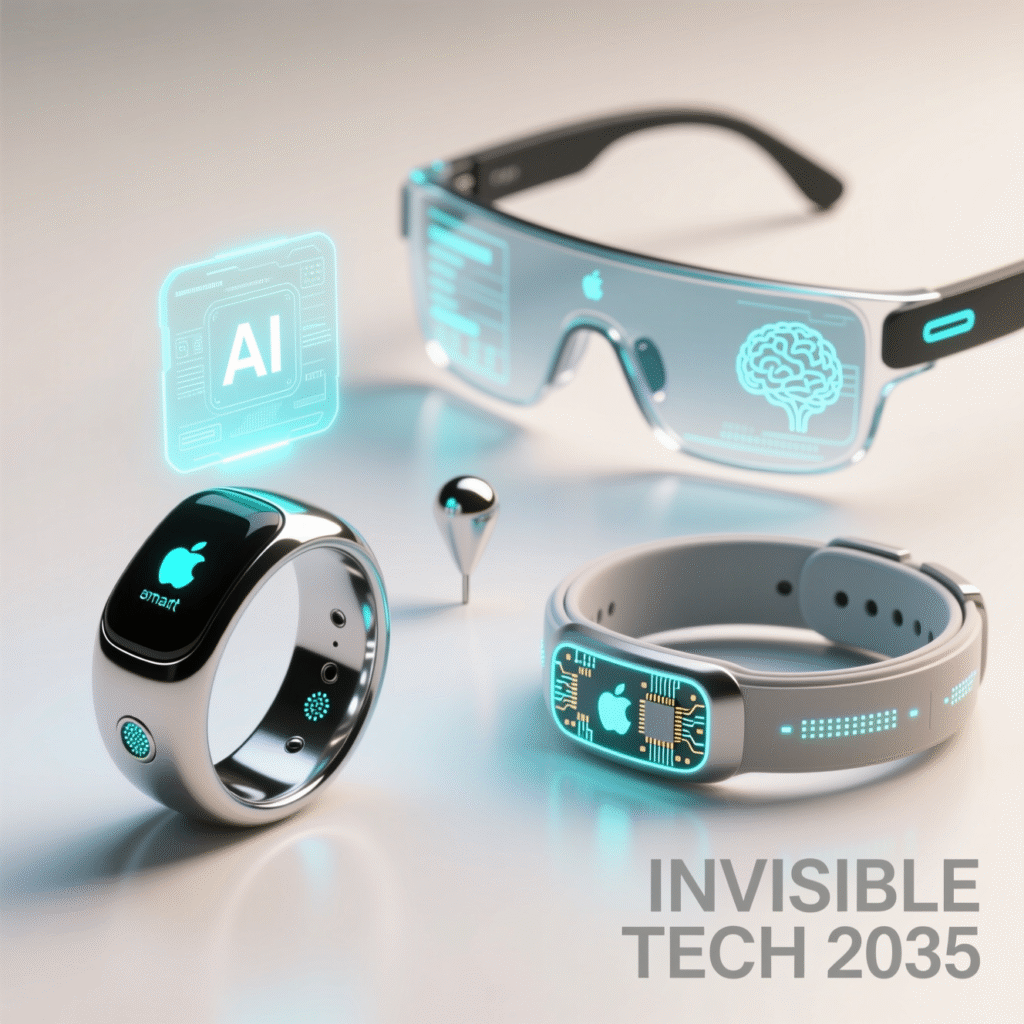
Brands like Meta, Samsung, Humane, and a dozen hungry startups are racing to make wearable technology disappear into clothing, implants, and AI-powered personal assistants.
Long-tail variation incorporated: future wearable tech innovations, next-gen health tracking devices.
Some examples shaping 2026:
- AI pins and badges that project displays (Humane, Rewind, others joining soon).
- Smart rings becoming full communication hubs, not just step counters.
- AR smart glasses that finally don’t look like props from a low-budget sci-fi show.
- Neuro-interface bands replacing touchscreens entirely.
The result? Wearables are no longer “extras.” They’re becoming primary devices.
2. The Surge in Health + Biomarker Tracking
The global health-wearable market keeps smashing forecasts.
In 2026, devices can track:
- continuous glucose
- stress biomarkers
- blood pressure (accurately-ish!)
- fertility signals
- hydration levels
- posture analytics
- sleep phases beyond simple REM guesses
Everything is going deeper — sometimes uncomfortably deeper.
And as health sensors evolve, insurers, employers, and hospitals are paying attention. (More on that under challenges.)
3. AI Personal Assistants Are Taking Over
Wearables are turning into tiny portals for AI. With models running locally or via cloud tethering, the AI-on-your-body trend is now the industry’s favorite buzzphrase. Think:
- instant transcription
- real-time translation
- live coaching (fitness, posture, breathing)
- proactive digital assistance
- attention-tracking for productivity
- conversational voice-first interfaces
AI isn’t living inside your phone anymore.
It’s literally wrapped around you.
How Real People Are Experiencing This Shift
Trends are one thing. How people actually feel is another.
1. Wearables Are Becoming Identity Markers
The same way sneakerheads flexed their Jordans, people now flex their smart glasses or their smart ring titanium finish.
Wearables have become part of how people:
- present themselves
- measure their lives
- communicate
- navigate
- manage wellbeing
- control their environment
They’ve quietly become digital personality extensions.
2. Tech Is Moving From Your Pocket to Your Body
Nobody wants more screen time.
But everyone wants more utility.
Wearable tech trends in 2026 reflect this tension:
- We don’t want bigger phones — we want smarter ambient computing.
- We don’t want to look down — we want tech to fit into our habits.
- We don’t want more apps — we want fewer steps.
Wearables are winning because they reduce the friction most tech created.
3. There’s Also Growing Wearable Fatigue
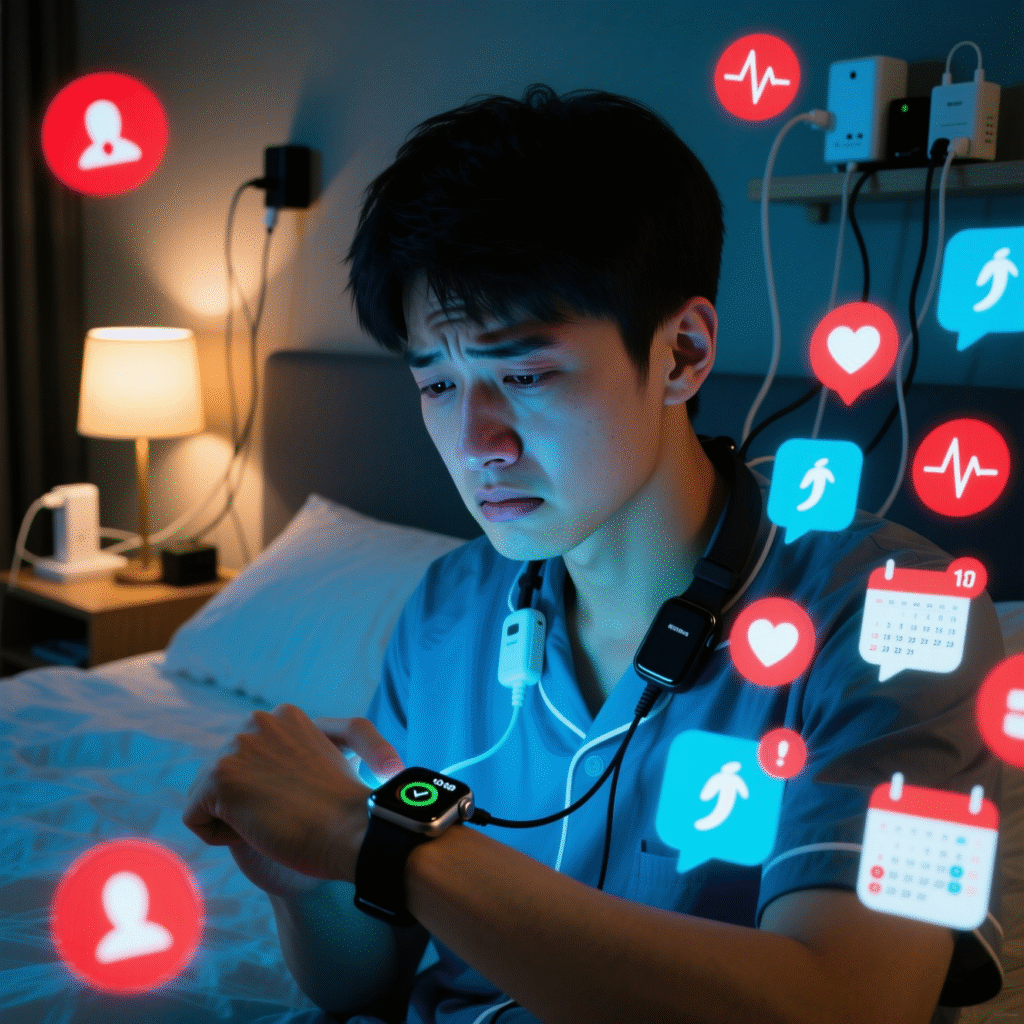
Not everyone loves the constant data stream.
Many people are:
- annoyed by constant notifications
- stressed by health alerts
- overwhelmed by weekly “your readiness score dipped 3 points” reports
- uncomfortable with corporate data access
- tired of charging 3–5 devices every night
So while the industry is speeding up, user patience is definitely mixed.
Expert Insights & Market Context
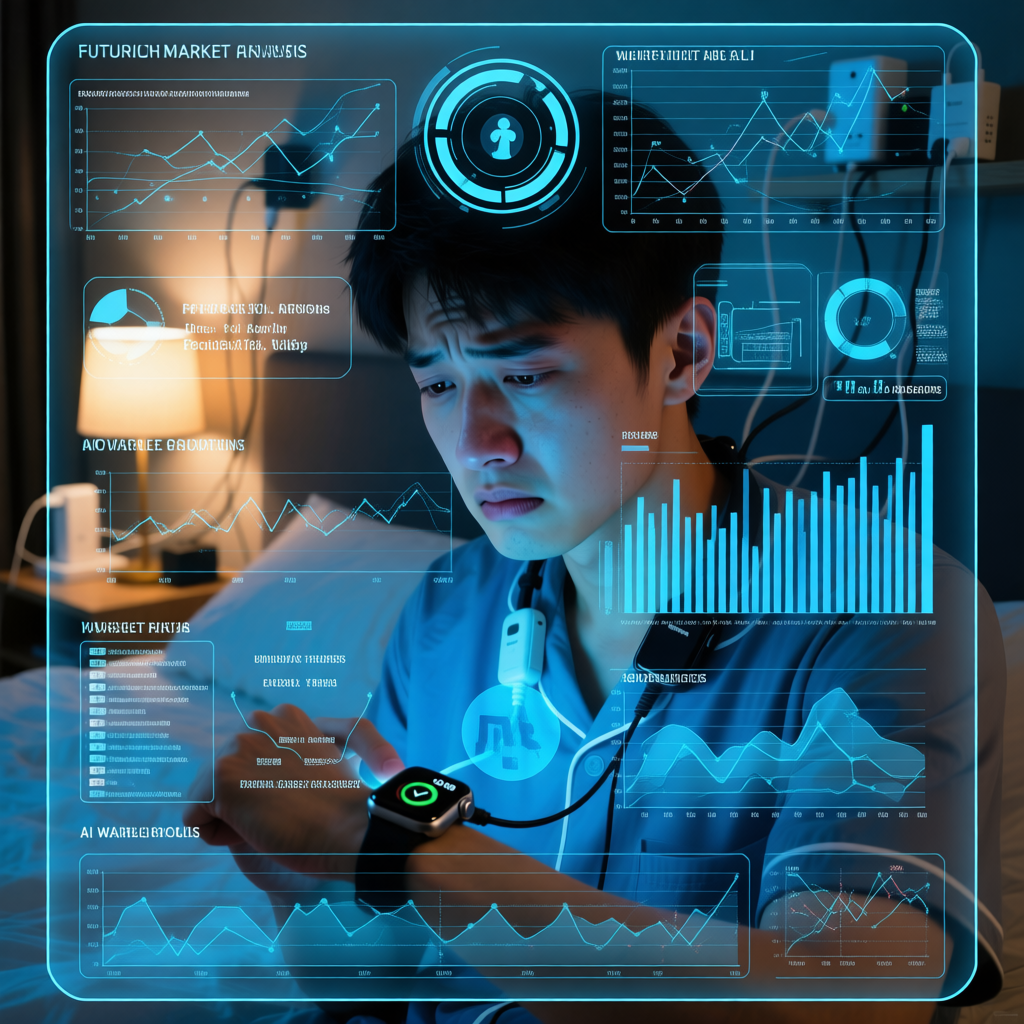
Analysts, CEOs, and product designers have been surprisingly candid about where things are going.
1. Miniaturization Is the Endgame
Most leaders agree on one thing:
The best wearable is the one you forget you’re wearing.
An analyst at CCS Insight recently described the category shift as:
“The move from visible hardware to integrated computing. The next generation of wearables will fade into the background, not stand out.”
That means fewer clunky watches, more embedded sensors.
2. AR Glasses Will Slowly Replace Some Phone Behaviors
Meta and Samsung are especially bullish here.
While nobody thinks glasses will replace phones in 2026, many expect:
- turn-by-turn directions
- notifications
- quick photo capture
- AI queries
- translations
- messaging previews
…to move toward eyewear.
3. Smart Rings Are the Fastest-Growing Subcategory
With Oura, RingConn, Ultrahuman, and Samsung’s rumored Galaxy Ring, the smart ring market is exploding.
Analysts predict:
- tighter health metrics than watches
- longer battery life (4–7 days)
- 24/7 comfort
- sleep accuracy leading the pack
In short: rings are eating watches’ lunch.
4. AI Pins and Badges Are Wild Cards
Humane sparked controversy, but the category keeps growing because many users like the concept of:
- no screens
- AI-first interactions
- voice-first computing
- minimalistic design
2026 will be a pivotal year for these devices — sink or swim.
Challenges & Controversies
Every advancement has a shadow. Wearable tech trends in 2026 face a few major issues:

1. Privacy Headaches
More sensors = more data = more potential misuse.
Concerns include:
- health biomarker analytics being shared without consent
- insurance companies rewarding or penalizing based on wearable data
- your stress levels being inferred
- posture or movement data identifying you
- AI glasses capturing others without their knowledge
People are more aware of data harvesting than ever — and regulators are catching up.
2. Cost Is Rising, Not Falling
Wearables used to be a $99 impulse buy.
Now?
- AR glasses: $499–$1,500
- smart rings: $250–$400
- AI pins: $699+
- fitness watches: $300+
- subscriptions everywhere
The subscription creep is genuinely becoming a meme.
3. Hype vs. Reality
The industry promises:
- perfect health tracking
- perfect AI coaching
- perfect productivity improvements
But real-world users know:
- sensors aren’t perfect
- AI sometimes hallucifies
- battery life is still inconsistent
- comfort varies
- ecosystems are fragmented
Wearables are improving fast — but they’re not magic.
Future Outlook: What the Next 2–5 Years Look Like

Here’s where things get fun.
If current wearable tech trends continue, expect these milestones by 2030:
1. The Phone Will Shrink Into a Hub, Not a Daily Device
You may still own a phone, but you won’t use it as often.
Think of it as a background computer powering your:
- glasses
- watch
- ring
- earbuds
- AI pin
- digital assistants
The smartphone era doesn’t end — it just becomes invisible.
2. Biometric Authentication Everywhere
Your heartbeat, gait, stress markers, and finger movements will authenticate payments, logins, and identity checks.
We’re entering the post-password era.
3. The Rise of “Butler AI”
Wearables will work together to act like a unified personal assistant:
- warn you before burnout
- track habits invisibly
- summarize your day
- give location-based recommendations
- monitor health passively
- optimize routines
- provide gentle “nudges” through haptics
The concept of “digital companionship” gets normalized.
4. Health Wearables Will Be Medical Grade
Approved by regulators for:
- blood pressure
- sleep apnea detection
- arrhythmia monitoring
- glucose tracking
- remote diagnostics
The line between hospital device and consumer gadget will blur.
Who Should Care About This?
Wearable tech trends aren’t just for hardcore gadget nerds. They matter to:
1. Beginners Curious About Smart Gadgets
Wearables are becoming easier to use than phones.
2. Fitness-Savvy Users
Rings and watches now deliver detailed biomarker analysis.
3. People With Busy Schedules
Smart glasses, AI pins, and earbuds streamline micro-tasks.
4. Early Tech Adopters
New categories — like AI badges and neuro-bands — are playgrounds.
5. Anyone Focused on Wellness
Stress tracking, sleep scores, and recovery insights now feel reliable.
Quick Recap
Wearable Tech Trends 2026 include:
- AI-first devices
- smart rings exploding
- AR glasses maturing
- invisible sensors
- deeper health analytics
- micro-gesture control
- phone-free digital experiences
Pros
- extremely convenient
- hands-free tech
- great for fitness and wellness
- future-proof categories
- reduces smartphone addiction
Cons
- expensive
- privacy risks
- subscription overload
- data fatigue
- ecosystem fragmentation
Final Take

Wearable tech in 2026 feels like the moment smartphones in 2007 turned from “interesting side gadgets” into “the center of digital life.”
Except this time, tech is moving onto our wrists, fingers, faces, clothes, and eventually, our neural pathways.
The shift isn’t slowing.
The only question is which part of your body gets an upgrade first.
Recommended Products
If you’re exploring wearables in 2026, here are popular categories worth checking out:
- Smart Rings (Sleep + Wellness)
- Fitness Smartwatches (Everyday Tracking)
- AR Glasses (Navigation + Hands-Free Tools)
- AI Pins + Assistants
- Smart Earbuds (AI Voice + Translation)
FAQs
1. Are wearable tech trends just hype, or are they actually useful?
Mostly useful — but not perfect. Wearables in 2026 finally feel mature enough for everyday life, especially for sleep tracking, quick communication, and AI tasks.
2. Will smart rings replace smartwatches?
Not entirely, but they’ll steal a lot of the spotlight. Rings dominate sleep and passive tracking, but watches still win at workouts and screen interactions.
3. Are AI pins worth buying?
Depends. If you love minimalism and hands-free interactions, they’re fascinating. If you prefer screens or visual control, they might feel limiting.
4. What’s the best wearable for beginners?
Start with a smartwatch or smart ring. Both are intuitive, accurate enough, and don’t demand a complete lifestyle overhaul.
If you click an Amazon link and buy something, we may earn a small commission at no extra cost to you.